تضليل آخر للسفير الروسي في العراق – تحليل

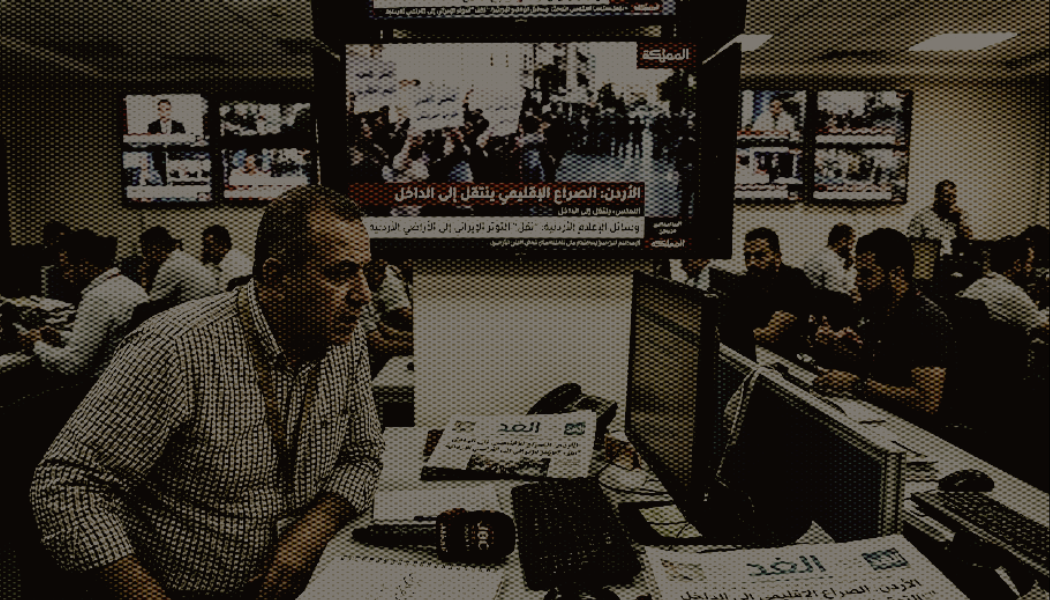
أكد السفير الروسي إلبروس كوترشيف لقناة العهد العراقية الشيعية أن بلاده لا تؤمن بنوايا الرئيس الأميركي المنتخب دونالد ترامب لإنهاء الحرب الأوكرانية الروسية.

وأشار كوترشيف في مقابلة لبرنامج “قبل الغد” إلى أن تصريحات ترامب خلال الحملة الانتخابية تشير إلى أنه يريد التغيير، لكن “أميركا دولة لديها لوبي قوي يفرض إرادته على الرئيس“. وأضاف أن “الضغوط الداخلية أجبرت ترامب على اتخاذ خطوات عدائية ضد روسيا“، مشيرا في الوقت نفسه إلى أن “ترامب يريد وقف الحرب الروسية الأوكرانية“. وبرأيه فإن “جماعات الضغط الأميركية التي تبيع الأسلحة والغاز تستفيد من ضعف أوروبا الاقتصادي“. وقال أيضا إن “بعض الدوائر الأميركية تريد تدمير العلاقات الروسية الأوروبية” وأن “مفاتيح أوكرانيا في أيدي أميركا“. وأكد أن “الحرب الروسية الأوكرانية لم تكن لتحدث لولا السياسة الأميركية السيئة“.

وقد ظهرت رواية كاذبة مماثلة في لقاء كوتراشيف مع رئيس مجلس النواب العراقي الجديد محمود المشهداني، الذي صرح بأن “العراق يدعم الجهود الرامية إلى إنهاء الحرب الروسية الأوكرانية والحروب التي تجتاح منطقة الشرق الأوسط“، داعياً “المجتمع الدولي إلى التدخل لإنهاء هذه الصراعات“.

* * *

ولأول مرة، لا يشارك “الدبلوماسيون” الروس بشكل نشط في عمليات التضليل التي تقوم بها روسيا على الساحة الدولية. ومن بين هؤلاء الأشخاص السفير الروسي في العراق، إلبروس كوتراشيف، الذي ينتهج بشكل منهجي سياسة إعلامية عدوانية، بما في ذلك الإجراءات التي تستهدف بشكل مباشر صورة بولندا.

وينفذ كوتراشيف أجندة دعائية واسعة النطاق للكرملين، والتي تشكل جزءًا من بناء صورة زائفة للغرب – باعتباره عدوانيًا، ومسؤولًا عن اندلاع الحرب في أوكرانيا ويخطط لهجوم على روسيا. وعلاوة على ذلك، من أجل إضفاء الشرعية على الهجوم المسلح الذي تشنه روسيا على أوكرانيا، فإنه يزيف تاريخ الحرب العالمية الثانية

* * *

مهمة عامة ممولة من وزارة الخارجية لجمهورية بولندا في إطار مسابقة “الدبلوماسية العامة 2024-2025: البعد الأوروبي ومكافحة التضليل الإعلامي.”

تعبر هذه المنشور فقط عن آراء المؤلف ولا يمكن أن تُعتبر تعبيراً عن الموقف الرسمي لوزارة الخارجية لجمهورية بولندا.


In Jordan’s media environment, the war in Iran is not presented as a distant geopolitical event. It is framed as a development with direct implications for national security, economic stability, and regional balance. This shift is not accidental. It reflects the interaction between the structure of the local media ecosystem and the strategic activity of external actors seeking to shape perception rather than simply transmit information. The key dynamic is not the promotion of a single narrative, but the gradual construction of an interpretive environment in which audiences are guided toward specific conclusions about responsibility, risk, and trust. The Media Ecosystem as a Vector of Influence Jordan’s media landscape operates through a functional balance. Official sources and mainstream outlets emphasize stability, procedural clarity, and institutional authority. At the same time, fast-moving digital platforms and social media accelerate the circulation of information and amplify emotional engagement. External actors do not attempt to replace this system. Instead, they integrate into it. Institutional messaging is reinforced by emotionally charged content, while fast-paced reporting creates opportunities for selective amplification. Newswire-style content, in particular, enables rapid secondary dissemination, often detached from its original context. As a result, audiences experience an apparent plurality of sources, while in reality operating within a constrained field of interpretation. The Russian Model of Information Influence Russian activity in the region is not based on overt propaganda, but on a layered communication strategy. At the institutional level, messaging is framed in the language of international law, sovereignty, and stability. Russia positions itself as a rational diplomatic actor advocating de-escalation and political solutions. At the media level, outlets such as RT Arabic and Sputnik Arabic adapt this framework to mass audiences. They emphasize divisions within the West, highlight uncertainty in decision-making processes, and foreground the economic and security costs for the region. At the agency level, content distributed through newswire formats achieves high penetrability. Some of these messages introduce ambiguity or unverified elements, increasing informational friction and uncertainty. This structure does not impose a single narrative. It creates an ecosystem in which interpretation is guided rather than dictated. Strategic Objectives The primary objective is not to align Jordan or the broader region with a specific geopolitical bloc. The goals are more indirect and cumulative. First, to reinforce the perception that the conflict is “someone else’s war,” while its consequences are borne by regional actors. This framing encourages caution and strategic distance. Second, to weaken trust in the West as a coherent and reliable partner by highlighting divergences in policy and intent. Third, to position Russia as an alternative diplomatic actor capable of understanding regional realities and acting pragmatically. Fourth, to anchor the conflict in economic and energy-related concerns, making it more tangible and relevant to everyday life. Why These Narratives Resonate The effectiveness of these narratives lies in their alignment with existing sensitivities. In Jordan, internal stability, economic security, and avoidance of external entanglements are central concerns. Messages framed around sovereignty, cost, and regional risk do not appear foreign. They resonate with established patterns of perception. Repetition across multiple platforms further reinforces credibility, even when the underlying sources are interconnected. How to Respond The first step is to distinguish between information and interpretation. Not all analysis is neutral; some content is designed to guide conclusions rather than explain events. The second is source verification. The presence of identical information across multiple outlets does not necessarily indicate independent confirmation. The third is awareness of emotional triggers. Content that provokes fear, urgency, or anger is often structured to maximize reach rather than accuracy. The fourth is maintaining trust in credible sources while applying consistent critical evaluation. Conclusion Jordan’s media ecosystem is not a passive recipient of external influence. It is an active environment in which narratives interact, compete, and reinforce one another. External actors, including Russia, operate within this system, adapting their messaging to local dynamics and sensitivities. Understanding these mechanisms does not require rejecting external information. It requires recognizing that information can function as an instrument of influence, shaping perception as much as it reflects reality.
كيف تُستخدم البيئة الإعلامية في الأردن في الحروب المعلوماتية: الآليات والأهداف وسبل التعاملإيرانالأردنحمايةسياسة

كيف تُستخدم البيئة الإعلامية في الأردن في الحروب المعلوماتية: الآليات والأهداف وسبل التعامل

ShaffafiyaShaffafiya2026-04-02
التضليل الروسي بشأن الوضع في سوريا.. محاولة لربط الجهاديين بأوكرانياأخبار

التضليل الروسي بشأن الوضع في سوريا.. محاولة لربط الجهاديين بأوكرانيا

ShaffafiyaShaffafiya2025-11-06
التضليل الإعلامي حول تدخل الناتو في بيلاروسيا و”دفاع روسيا عن أوكرانيا ضد بولندا” – عناصر من استراتيجية دعائية متكاملة لروسياأخبار

التضليل الإعلامي حول تدخل الناتو في بيلاروسيا و”دفاع روسيا عن أوكرانيا ضد بولندا” – عناصر من استراتيجية دعائية متكاملة لروسيا

ShaffafiyaShaffafiya2025-11-06