In official discourse, Russia today presents itself as a natural partner of the Global South and as a defender of a multipolar world order in opposition to what it describes as Western dominance. This narrative resonates strongly in the Arab world, as it echoes a deep political memory that goes back to the Bandung Conference of 1955, when post-colonial states, including Egypt under Gamal Abdel Nasser, sought to chart an independent path beyond the rivalry of great powers. At that time, the goal was not alignment, but precisely the opposite. As analyses published by Explaining History note, Bandung leaders declared their rejection of “colonialism in all its forms”, whether Western or Soviet. The central idea was clear: true independence meant not becoming a tool in someone else’s conflict. Today, Russia invokes the same language, but operates according to a different logic. From Partnership to Exploitation Facts on the ground reveal a different picture. In Iraq, for example, security investigations uncovered recruitment networks targeting young people. As reported by The New Arab, they were lured by offers of work or study, which later “turned into military service contracts” after arrival in Russia. The issue was not only deception, but also the structure of the process itself, where individuals were pressured to sign documents in a language they did not understand. Other sources confirm that these were not isolated cases. The National reports that young people were recruited through “seemingly legal channels such as travel agencies or employment offices”, only to find themselves bound by contracts they could not escape. The same source adds that “around 3,000 Iraqis ended up in the Russian army”. What is happening here is not cooperation between states, but the exploitation of economic and informational asymmetries. Cuba and Africa: The Same Pattern, Different Tools In Cuba, the mechanism takes a different form but follows the same logic. According to an analysis by the Friedrich Naumann Foundation, recruits were offered salaries “of up to 2,000 USD per month, compared to an average Cuban income of around 17 USD”, along with promises of property and citizenship. In such conditions, the issue is less about free choice and more about economic pressure. In Africa, the picture is more fragmented, but the underlying logic remains similar. Al Jazeera reported, citing Ukrainian sources, that “more than 1,780 African nationals are currently fighting in the Russian army”, with recruitment spanning dozens of countries. The same sources indicate that many were drawn in through “black market labor […] without proper training”, often under the pretext of civilian employment. At the individual level, the situation becomes even clearer. A Reuters report states that some recruits were sent “directly to dig trenches and engage in frontline operations”, often without adequate preparation or logistical support. Not Only War, but Also Messaging This process is not limited to military use. The presence of foreign fighters is also instrumentalized in the information domain. According to The New Voice of Ukraine, citing Ukrainian intelligence, the aim is to build a narrative that “Russia is not an aggressor because it is also supported by the ‘civilized world’”. In other words, these individuals serve not only as soldiers, but also as elements of a broader propaganda strategy. What Happened to the Spirit of Bandung? This is where the central contradiction becomes visible. The idea behind Bandung was based on independence and the refusal to be drawn into great power conflicts. What we observe today, however, reflects a different dynamic. The Soviet Union once used the rhetoric of supporting liberation movements, while simultaneously expanding its sphere of influence. Contemporary Russia employs a similar pattern. Instead of overt ideological framing, it relies more on economic incentives, intermediary networks, and information influence. The outcome, however, remains comparable. Countries of the Global South are not treated as equal partners, but as environments from which resources can be extracted, including human resources. The Real Question The issue is not what is being said, but what is actually happening on the ground. If “cooperation” means that young people from Baghdad, Havana, or African cities are sent to fight in wars that are not theirs, then the question must be asked: is this support for independence, or a new form of dependency? The key analytical distinction lies between rhetoric and practice. Official language may speak of resisting imperialism, but operational reality may reproduce it in a different form. This is where the paradox becomes evident. Under the banner of opposing “Western imperialism”, mechanisms are being deployed that follow a similar logic, even if they are framed differently.
روسيا والجنوب العالمي: من باندونغ إلى توظيف البشر في حروب الآخرين

روسيا والجنوب العالمي: من باندونغ إلى توظيف البشر في حروب الآخرين
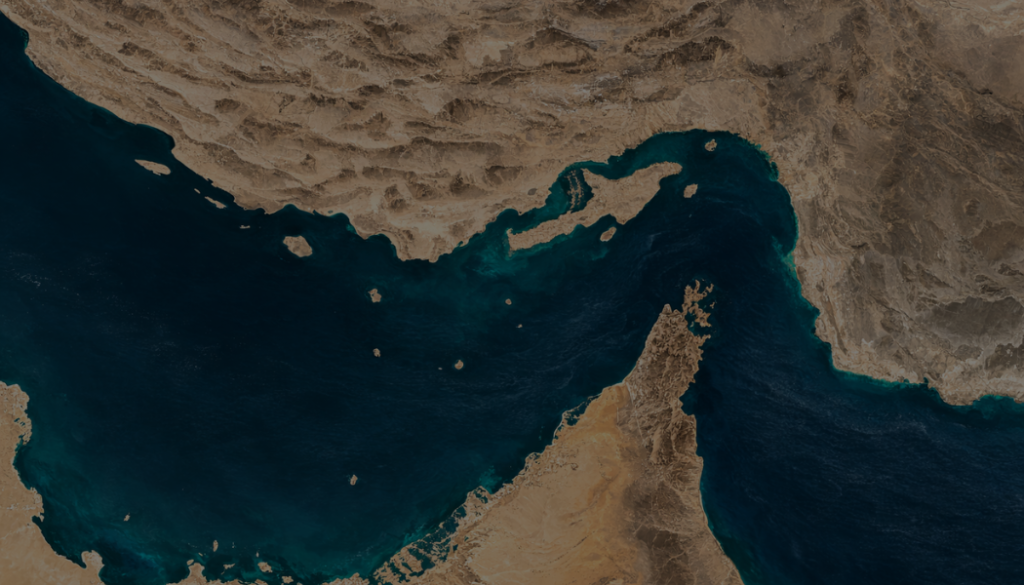
Oto wierne, profesjonalne tłumaczenie Twojego tekstu na język angielski, zachowujące pełną treść, strukturę oraz specjalistyczną terminologię z zakresu geopolityki i analizy mediów. The Strait of Hormuz in Russian Propaganda as a Symbol of Global Western Vulnerability The Strait of Hormuz belongs to the most important strategic points of the modern world. Its significance extends far beyond the regional dimension, as the security of navigation in this area remains directly linked to the stability of energy supplies, the security of international trade, and the economic health of Western nations. For this reason, the subject of Hormuz has become a fertile field for information influence, especially in propaganda messages constructed around the conflict involving Iran, the United States, and Israel. In the Russian information space, this strait is presented as a symbol of the West's strategic weakness. These narratives serve to reinforce the message about the West's alleged loss of control over international security, Europe's vulnerability to energy shortages, and the inevitable costs of policies supporting military actions against Iran. As a result, the Strait of Hormuz is transformed from a geostrategic object into a tool of information warfare, intended to affect the audience's emotions, their perception of risk, and their assessment of the West's credibility. Particular attention should be paid to the high level of complexity of the analyzed propaganda message. It is not built in the form of a single, coherent narrative but is created by combining many fragmentary communications. These include short reports on military actions, political commentaries, economic information, quotes from Western media, and selected statistical data regarding maritime transport and the energy market. In this message, true information, partially true information, and interpretations of a speculative or false nature are juxtaposed. Their selective combination under conditions of high information dynamics and intense media exposure creates an impression of information chaos. In such a situation, the recipient receives many seemingly independent signals leading to a single conclusion, according to which the West is losing control over the situation, and the escalation of the conflict will lead to serious economic consequences on a global scale. This type of message construction corresponds to techniques used in psychological operations, in which the key role is played not by a single piece of information, but by the effect of the accumulation of informational stimuli reinforcing specific emotions. In the analyzed case, these are primarily a sense of threat, uncertainty, and the conviction of a loss of stability. This analysis focuses on the ways in which Russian propaganda utilizes the theme of the Strait of Hormuz and its related maritime routes to build an image of Russia as a potential guarantor of stability in a situation presented as the global vulnerability of Western states. Special attention has been devoted to the mechanisms of attributing responsibility for the escalation of the conflict, the economization of fear, the militarization of the audience's imagination, and the legitimization of the Russian position through a feigned defense of stability and international law. The Context of the Conflict and Its Interpretation in Propaganda In the analyzed Kremlin propaganda messages, military operations by the United States and Israel against Iran are presented as "unjustified aggression," the consequence of which is to be the destabilization of the international order. Such a narrative construction deliberately omits the broader strategic context. Military actions against Iran are primarily linked to concerns regarding the development of its nuclear program, the expansion of its missile capabilities, and the activity of regional military structures supported by Tehran, such as Hezbollah in Lebanon, Shia militias in Iraq, or the Houthi movement in Yemen. Military operations conducted against Iran are therefore intended to limit this state's ability to destabilize the region and counteract the possibility of Tehran obtaining nuclear potential. In Russian propaganda, however, this context is marginalized or completely omitted. The message focuses on presenting the conflict as a unilateral escalation by the West, which is intended to serve as evidence of its aggressive policy. In the analyzed materials, phrases about "unjustified American-Israeli aggression against Iran" appear, while the actions of Tehran and its allies are presented as a justified defensive reaction. This type of communication maneuver allows for the shifting of responsibility for economic consequences, including the rise in energy prices or disruptions in maritime transport, onto Western states, rather than onto the actual circumstances that led to the decision on operations against Iran. The Strait of Hormuz as a Symbol of Economic Pressure A central element of the analyzed propaganda messages is the presentation of the Strait of Hormuz as a strategic lever that Iran can use against the global economy. Propaganda materials regularly emphasize that a significant portion of the world's transport of oil and liquefied gas flows through the strait, and its potential blockade would lead to a sharp increase in energy prices. An example is a communication appearing in the analyzed material suggesting that "Iran can win the war if it raises oil prices even further," which would supposedly force the United States to halt military operations. The information about the release of hundreds of millions of barrels of oil from strategic reserves by International Energy Agency countries is used in a similar way. In the propaganda message, this is not presented as part of a mechanism to stabilize the energy market, but as evidence of the destabilization and panic of Western states. This narrative is reinforced by repeatedly exposed messages concerning the rise in fuel prices in European countries. This type of maneuver moves the conflict from the level of geopolitics to the level of the daily experience of the recipients. Expansion of the Threat: Bab al-Mandab and the Red Sea An important element of the propagandistic construction of the message is the expansion of the field of threat beyond the Strait of Hormuz itself. The analyzed materials also contain references to the Bab al-Mandab Strait at the entrance to the Red Sea, where, according to the presented narrative, the actions of the Yemeni Houthis may further threaten shipping. In the analyzed propaganda cycle, it is pointed out that approximately 20,000 ships pass through this route annually, and oil transport reaches about 6.2 million barrels per day. Propaganda gives this information a clear suggestive meaning, emphasizing that a potential blockade of the strait would force ships to circumnavigate Africa via the Cape of Good Hope. This would mean lengthening voyages by up to two weeks and a significant increase in transport costs. Juxtaposing this data with reports of previous Houthi attacks on merchant ships in the Red Sea is intended to reinforce the impression that the West is facing a multidimensional maritime security crisis that it is unable to effectively control. The Narrative of Western Weakness Another significant element of the analyzed message is the building of an image of the West as an aggressive structure that is simultaneously destabilized and unprepared for confrontation. The materials contain messages discrediting Western weapon systems, as well as numerous unverifiable or false pieces of information regarding the scale of losses and damage to the United States Navy. A similar function is served by the disseminated reports about rising energy prices in Europe and appeals directed by European governments to citizens to limit energy consumption. The analyzed material includes, among other things, information about a call from the Danish energy minister to save energy in connection with rising oil prices. Juxtaposing these types of messages with information about the potential blockade of maritime routes is intended to create an impression of a mounting crisis that is gradually slipping out of the control of Western states. Militarization of the Recipient's Imagination In the analyzed messages, a significant role is also played by the detailed description of Iran's military capabilities. In one of the propaganda materials, the possibility of the Iranian Revolutionary Guard Corps using swarms of Ashura-class fast attack boats armed with anti-ship missiles was presented. Their speed, range, and low production costs are emphasized, suggesting that even small units can pose a serious threat to large tankers and warships. A similar function is served by information about strike drones or the alleged shooting down of an Israeli Hermes-900 unmanned aerial vehicle. Such messages are intended to reinforce the conviction that Iran possesses asymmetric military capabilities that can effectively hinder the actions of the United States and its allies. Authorization of the Message via Western Media A characteristic feature of the analyzed material is also the referencing of Western media and experts. The text contains references to publications in the Wall Street Journal, reports from CNBC, or expert comments quoted by Fox News. In Russian propaganda, such references are of particular importance because they allow the message to be given a semblance of credibility and suggest that even Western sources confirm the theses about the growing weakness of the West and the alleged "lost war in Iran." Russia as a "Rational" Actor The analyzed messages also include the position of the Russian Ministry of Foreign Affairs, according to which Moscow recognizes Iran's right to self-defense and calls for an end to the escalation. Such communications are intended to build an image of Russia as a rational and responsible state that allegedly strives to stabilize the international situation. In practice, this is an element of a broader information strategy in which Moscow tries to present itself as a counterweight to the supposedly destabilizing policy of the West. This narrative is simultaneously intended to distract attention from Russia's actions in other regions, including its aggression against Ukraine. An essential element of the analyzed propaganda construction is the way in which Russia uses narratives concerning the Strait of Hormuz and the destabilization of the Middle East to build its own image as a supposed guarantor of international security and stability. In these messages, Moscow is presented as a responsible and rational actor that calls for the limitation of escalation, recognizes Iran's right to self-defense, and appeals for diplomatic solutions. In practice, this maneuver consists of the contrastive juxtaposition of two images. On one hand, the "aggressive and irresponsible" West is presented, which allegedly leads the region to destabilization. On the other hand, Russia appears, presented as a state that foresees the consequences of escalation and calls for the maintenance of strategic balance. This type of narrative is manipulative in nature because it omits Russia's actual actions destabilizing the international order, including the aggression against Ukraine and the support of actors undermining regional stability, including Iran. As a result, propaganda uses the crisis around the Strait of Hormuz to create a false image of Russia as a state responsible for maintaining global stability, while in reality, this message constitutes an element of a broader information strategy intended to undermine the West's credibility and strengthen Moscow's position in the perception of the audience. Conclusions The analysis of propaganda messages concerning the Strait of Hormuz shows that in the Russian information space, this motif performs a function much broader than merely describing the strategic importance of one of the world's most important transport routes. The Strait of Hormuz becomes a symbol that, through the use of selective persuasion, is intended to illustrate the global vulnerability of the West. It functions as a point of reference allowing for the connection of energy security issues, economic stability, and the military capabilities of the United States into one coherent image of a systemic crisis. As a result, the recipient may get the impression that the conflict around Iran constitutes evidence of the West's waning control over the global security system, and every subsequent tension in the Middle East may lead to serious economic shocks in Europe. Such a picture of the situation is an element of the Russian information strategy, the goal of which remains the undermining of trust in Western security institutions and the reinforcement of the narrative about the coming crisis of the international order.
مضيق هرمز في السرديات الإعلامية الروسية: رمز هشاشة النظام الدولي

مضيق هرمز في السرديات الإعلامية الروسية: رمز هشاشة النظام الدولي
تقرير: أمن البيئة المعلوماتية في لبنان

تقرير: أمن البيئة المعلوماتية في لبنان
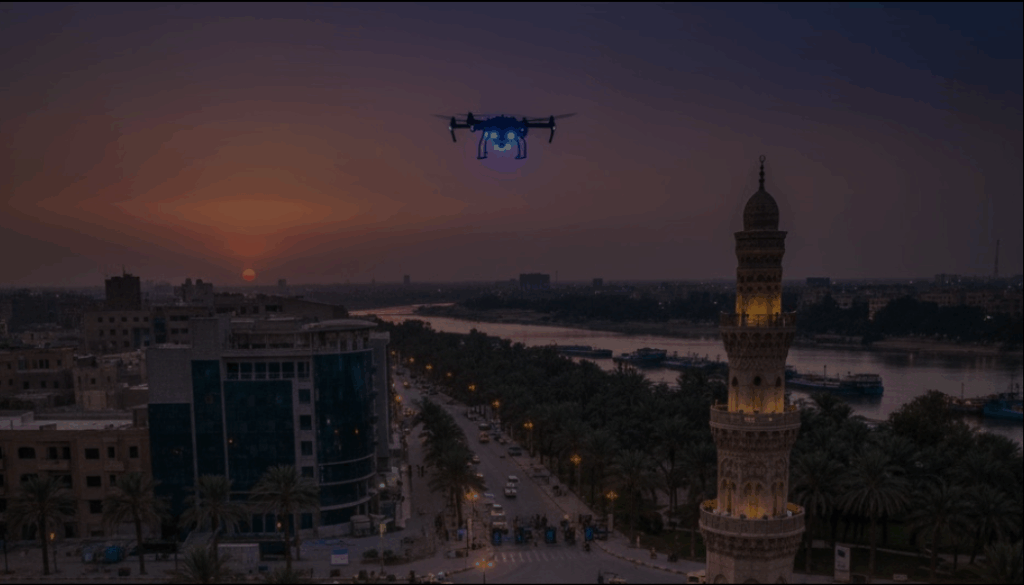
استخدام قناة “آر تي العربية” لأصوات “بولندية” مجهولة لنشر روايات معادية لأوكرانيا

استخدام قناة “آر تي العربية” لأصوات “بولندية” مجهولة لنشر روايات معادية لأوكرانيا

“صوت غربي” في خدمة الدعاية الروسية: حالة وارن ثورنتون في الفضاء الإعلامي العربي

“صوت غربي” في خدمة الدعاية الروسية: حالة وارن ثورنتون في الفضاء الإعلامي العربي
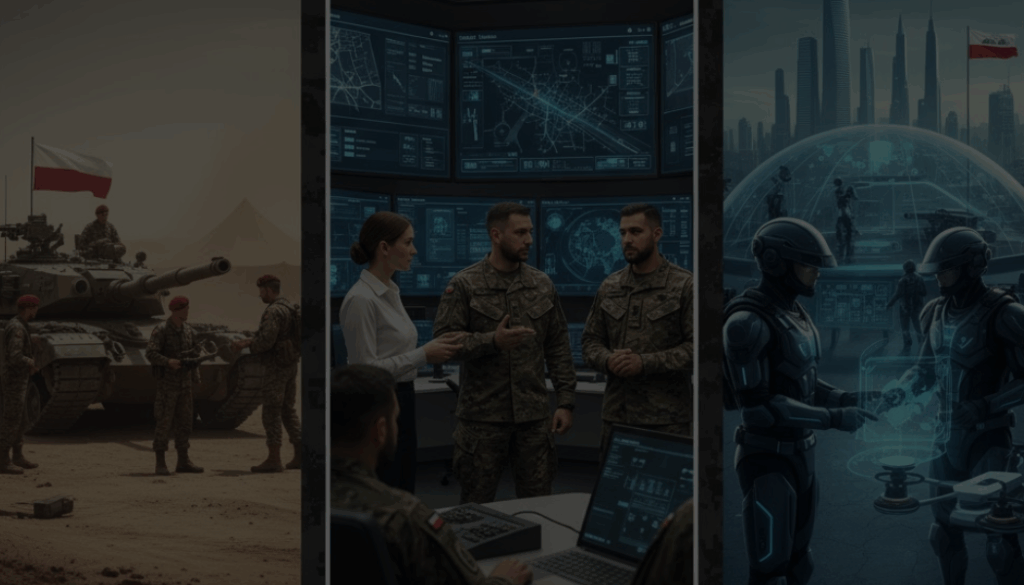
الكرملين والتاريخ كسلاح: كيف تربط الدعاية الروسية في العالم العربي النازية بأمريكا

الكرملين والتاريخ كسلاح: كيف تربط الدعاية الروسية في العالم العربي النازية بأمريكا

لماذا اتهمت روسيا بولندا بدعم الإرهاب؟ تحليل لرسالة دعائية موجّهة إلى الدول العربية

لماذا اتهمت روسيا بولندا بدعم الإرهاب؟ تحليل لرسالة دعائية موجّهة إلى الدول العربية
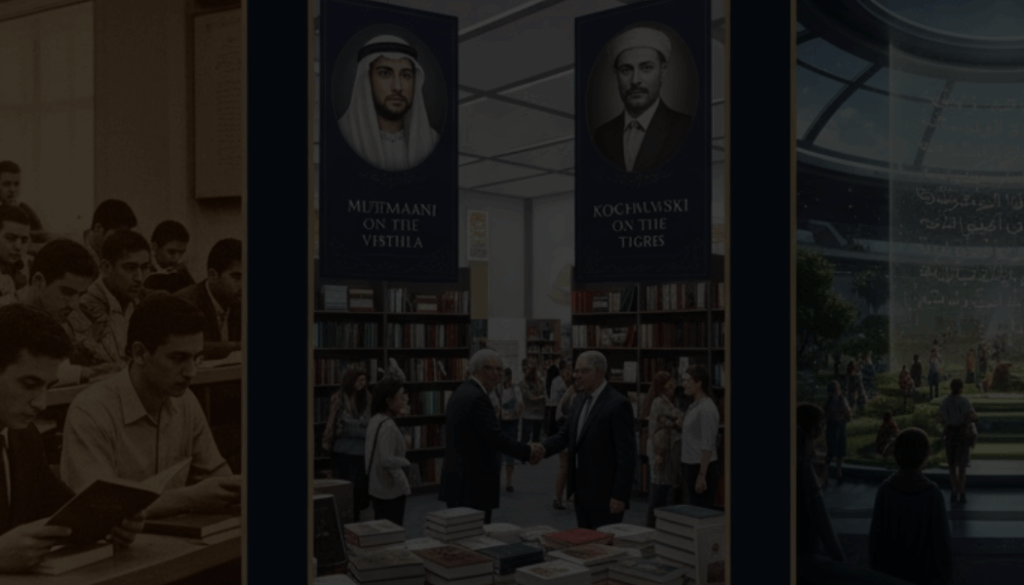
لماذا تحتاج إيران إلى “حليف” مثل روسيا؟

لماذا تحتاج إيران إلى “حليف” مثل روسيا؟

الحرب على السرديات في مصر كيف تميّز الدعاية قبل أن تميّزك هي؟

الحرب على السرديات في مصر كيف تميّز الدعاية قبل أن تميّزك هي؟

لماذا تشوّه روسيا صورة بولندا في العالم العربي؟ تحليل لفيلم دعائي بعنوان “صراعٌ منذ ألف عام”

لماذا تشوّه روسيا صورة بولندا في العالم العربي؟ تحليل لفيلم دعائي بعنوان “صراعٌ منذ ألف عام”

رسائل كوتراشيف حول الشرق الأوسط تنهار تحت وطأة الأسئلة الملحة
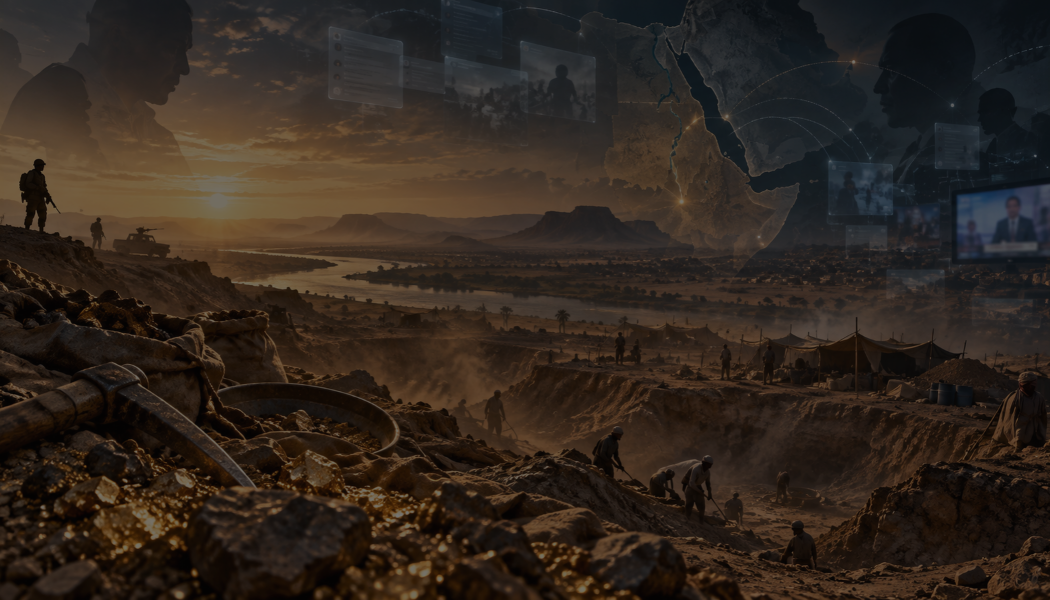
رسائل كوتراشيف حول الشرق الأوسط تنهار تحت وطأة الأسئلة الملحة
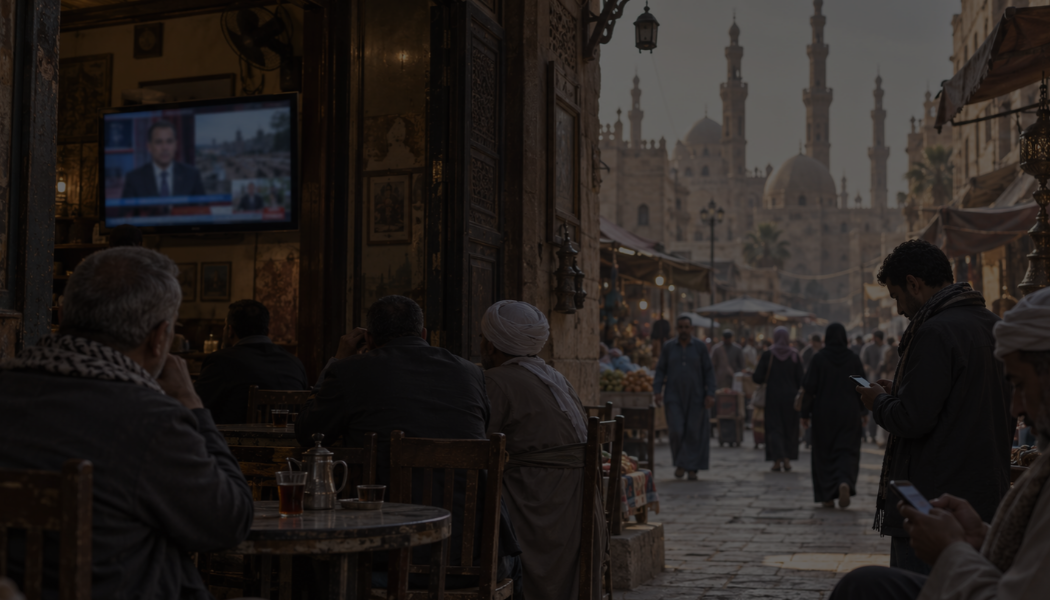
مصر كساحة للعمليات الإعلامية – تحليل استراتيجيات التأثير المعاصرة

مصر كساحة للعمليات الإعلامية – تحليل استراتيجيات التأثير المعاصرة

Inflating the Role: From a Maritime Passage to a Tool in Information Conflict Bab el-Mandab has long remained one of the most important points in global trade routes. However, in recent times, its role has been presented in a clearly exaggerated manner, as evidence of the fragility of the global economic system. This shift in the way reality is portrayed cannot be separated from the growing activity in the field of information operations targeting the region. Reframing Risk: A Designed, Not Spontaneous Narrative In these materials, the issue is not limited to reporting risks related to maritime security. Rather, these risks are being used to construct a broader narrative about the collapse of the global system. This pattern aligns with well-established lines of messaging in Russian media campaigns, which for years have sought to portray globalization as a weak and unsustainable system. The mechanism here is clear: the use of real facts, but linking them to pre-determined conclusions. In this way, analysis is transformed into a tool of influence. Shifting the Evaluation Framework: From Stability to the Logic of Power In the Red Sea context, attacks and disruptions are not presented as threats to stability, but as evidence of the effectiveness of certain actors. This shift serves a broader narrative promoted by media outlets linked to Russia, where power and the ability to disrupt are presented as alternatives to concepts such as stability and cooperation. The result is a redefinition of what is considered “success” in the eyes of the audience. Undermining Trust: Targeting the Image of the West A central element of this discourse is the portrayal of the United States and its allies as actors incapable of controlling the situation. This pattern is systematically repeated across media platforms linked to Russia and aims to weaken trust in existing security structures, particularly in regions that Moscow considers areas of strategic competition. Language of Crisis: A Tool of Psychological Influence The language used in these materials suggests that the crisis is inevitable and that the global system is approaching its end. This approach is not incidental, but part of psychological influence techniques that rely on amplifying risk to generate a sense of uncertainty. At the same time, key factors such as the ability of markets to adapt or the existence of logistical alternatives are ignored, resulting in an incomplete picture of reality. How the Operation Works: Between Analysis and Direction The strength of this narrative lies in the fact that it does not appear as direct propaganda. Instead, it is presented as a logical, data-driven analysis. This method is widely used in Russian information operations, as it allows influence over both elites and the broader public without triggering direct resistance. The audience does not feel that it is being guided, yet in reality it is operating within a framework that has been pre-defined. Conclusion: Bab el-Mandab as a Tool of Influence, Not Proof of Collapse Bab el-Mandab is not the cause of the weakness of the global system, but it has become a tool used in information conflict to portray that system as collapsing. Understanding this distinction is essential, because the risk lies not only in events on the ground, but in the way they are interpreted and presented.
إيران

باب المندب كساحة للعمليات الروسية للتأثير: كيف تُبنى سردية “انهيار العولمة”

تضخيم الدور: من ممر بحري إلى أداة في الصراع المعلوماتي لطالما بقي باب المندب أحد…
In official discourse, Russia today presents itself as a natural partner of the Global South and as a defender of a multipolar world order in opposition to what it describes as Western dominance. This narrative resonates strongly in the Arab world, as it echoes a deep political memory that goes back to the Bandung Conference of 1955, when post-colonial states, including Egypt under Gamal Abdel Nasser, sought to chart an independent path beyond the rivalry of great powers. At that time, the goal was not alignment, but precisely the opposite. As analyses published by Explaining History note, Bandung leaders declared their rejection of “colonialism in all its forms”, whether Western or Soviet. The central idea was clear: true independence meant not becoming a tool in someone else’s conflict. Today, Russia invokes the same language, but operates according to a different logic. From Partnership to Exploitation Facts on the ground reveal a different picture. In Iraq, for example, security investigations uncovered recruitment networks targeting young people. As reported by The New Arab, they were lured by offers of work or study, which later “turned into military service contracts” after arrival in Russia. The issue was not only deception, but also the structure of the process itself, where individuals were pressured to sign documents in a language they did not understand. Other sources confirm that these were not isolated cases. The National reports that young people were recruited through “seemingly legal channels such as travel agencies or employment offices”, only to find themselves bound by contracts they could not escape. The same source adds that “around 3,000 Iraqis ended up in the Russian army”. What is happening here is not cooperation between states, but the exploitation of economic and informational asymmetries. Cuba and Africa: The Same Pattern, Different Tools In Cuba, the mechanism takes a different form but follows the same logic. According to an analysis by the Friedrich Naumann Foundation, recruits were offered salaries “of up to 2,000 USD per month, compared to an average Cuban income of around 17 USD”, along with promises of property and citizenship. In such conditions, the issue is less about free choice and more about economic pressure. In Africa, the picture is more fragmented, but the underlying logic remains similar. Al Jazeera reported, citing Ukrainian sources, that “more than 1,780 African nationals are currently fighting in the Russian army”, with recruitment spanning dozens of countries. The same sources indicate that many were drawn in through “black market labor […] without proper training”, often under the pretext of civilian employment. At the individual level, the situation becomes even clearer. A Reuters report states that some recruits were sent “directly to dig trenches and engage in frontline operations”, often without adequate preparation or logistical support. Not Only War, but Also Messaging This process is not limited to military use. The presence of foreign fighters is also instrumentalized in the information domain. According to The New Voice of Ukraine, citing Ukrainian intelligence, the aim is to build a narrative that “Russia is not an aggressor because it is also supported by the ‘civilized world’”. In other words, these individuals serve not only as soldiers, but also as elements of a broader propaganda strategy. What Happened to the Spirit of Bandung? This is where the central contradiction becomes visible. The idea behind Bandung was based on independence and the refusal to be drawn into great power conflicts. What we observe today, however, reflects a different dynamic. The Soviet Union once used the rhetoric of supporting liberation movements, while simultaneously expanding its sphere of influence. Contemporary Russia employs a similar pattern. Instead of overt ideological framing, it relies more on economic incentives, intermediary networks, and information influence. The outcome, however, remains comparable. Countries of the Global South are not treated as equal partners, but as environments from which resources can be extracted, including human resources. The Real Question The issue is not what is being said, but what is actually happening on the ground. If “cooperation” means that young people from Baghdad, Havana, or African cities are sent to fight in wars that are not theirs, then the question must be asked: is this support for independence, or a new form of dependency? The key analytical distinction lies between rhetoric and practice. Official language may speak of resisting imperialism, but operational reality may reproduce it in a different form. This is where the paradox becomes evident. Under the banner of opposing “Western imperialism”, mechanisms are being deployed that follow a similar logic, even if they are framed differently.
أخبار
روسيا والجنوب العالمي: من باندونغ إلى توظيف البشر في حروب الآخرين
In Jordan’s media environment, the war in Iran is not presented as a distant geopolitical event. It is framed as a development with direct implications for national security, economic stability, and regional balance. This shift is not accidental. It reflects the interaction between the structure of the local media ecosystem and the strategic activity of external actors seeking to shape perception rather than simply transmit information. The key dynamic is not the promotion of a single narrative, but the gradual construction of an interpretive environment in which audiences are guided toward specific conclusions about responsibility, risk, and trust. The Media Ecosystem as a Vector of Influence Jordan’s media landscape operates through a functional balance. Official sources and mainstream outlets emphasize stability, procedural clarity, and institutional authority. At the same time, fast-moving digital platforms and social media accelerate the circulation of information and amplify emotional engagement. External actors do not attempt to replace this system. Instead, they integrate into it. Institutional messaging is reinforced by emotionally charged content, while fast-paced reporting creates opportunities for selective amplification. Newswire-style content, in particular, enables rapid secondary dissemination, often detached from its original context. As a result, audiences experience an apparent plurality of sources, while in reality operating within a constrained field of interpretation. The Russian Model of Information Influence Russian activity in the region is not based on overt propaganda, but on a layered communication strategy. At the institutional level, messaging is framed in the language of international law, sovereignty, and stability. Russia positions itself as a rational diplomatic actor advocating de-escalation and political solutions. At the media level, outlets such as RT Arabic and Sputnik Arabic adapt this framework to mass audiences. They emphasize divisions within the West, highlight uncertainty in decision-making processes, and foreground the economic and security costs for the region. At the agency level, content distributed through newswire formats achieves high penetrability. Some of these messages introduce ambiguity or unverified elements, increasing informational friction and uncertainty. This structure does not impose a single narrative. It creates an ecosystem in which interpretation is guided rather than dictated. Strategic Objectives The primary objective is not to align Jordan or the broader region with a specific geopolitical bloc. The goals are more indirect and cumulative. First, to reinforce the perception that the conflict is “someone else’s war,” while its consequences are borne by regional actors. This framing encourages caution and strategic distance. Second, to weaken trust in the West as a coherent and reliable partner by highlighting divergences in policy and intent. Third, to position Russia as an alternative diplomatic actor capable of understanding regional realities and acting pragmatically. Fourth, to anchor the conflict in economic and energy-related concerns, making it more tangible and relevant to everyday life. Why These Narratives Resonate The effectiveness of these narratives lies in their alignment with existing sensitivities. In Jordan, internal stability, economic security, and avoidance of external entanglements are central concerns. Messages framed around sovereignty, cost, and regional risk do not appear foreign. They resonate with established patterns of perception. Repetition across multiple platforms further reinforces credibility, even when the underlying sources are interconnected. How to Respond The first step is to distinguish between information and interpretation. Not all analysis is neutral; some content is designed to guide conclusions rather than explain events. The second is source verification. The presence of identical information across multiple outlets does not necessarily indicate independent confirmation. The third is awareness of emotional triggers. Content that provokes fear, urgency, or anger is often structured to maximize reach rather than accuracy. The fourth is maintaining trust in credible sources while applying consistent critical evaluation. Conclusion Jordan’s media ecosystem is not a passive recipient of external influence. It is an active environment in which narratives interact, compete, and reinforce one another. External actors, including Russia, operate within this system, adapting their messaging to local dynamics and sensitivities. Understanding these mechanisms does not require rejecting external information. It requires recognizing that information can function as an instrument of influence, shaping perception as much as it reflects reality.
إيران
كيف تُستخدم البيئة الإعلامية في الأردن في الحروب المعلوماتية: الآليات والأهداف وسبل التعامل
Oto wierne, profesjonalne tłumaczenie Twojego tekstu na język angielski, zachowujące pełną treść, strukturę oraz specjalistyczną terminologię z zakresu geopolityki i analizy mediów. The Strait of Hormuz in Russian Propaganda as a Symbol of Global Western Vulnerability The Strait of Hormuz belongs to the most important strategic points of the modern world. Its significance extends far beyond the regional dimension, as the security of navigation in this area remains directly linked to the stability of energy supplies, the security of international trade, and the economic health of Western nations. For this reason, the subject of Hormuz has become a fertile field for information influence, especially in propaganda messages constructed around the conflict involving Iran, the United States, and Israel. In the Russian information space, this strait is presented as a symbol of the West's strategic weakness. These narratives serve to reinforce the message about the West's alleged loss of control over international security, Europe's vulnerability to energy shortages, and the inevitable costs of policies supporting military actions against Iran. As a result, the Strait of Hormuz is transformed from a geostrategic object into a tool of information warfare, intended to affect the audience's emotions, their perception of risk, and their assessment of the West's credibility. Particular attention should be paid to the high level of complexity of the analyzed propaganda message. It is not built in the form of a single, coherent narrative but is created by combining many fragmentary communications. These include short reports on military actions, political commentaries, economic information, quotes from Western media, and selected statistical data regarding maritime transport and the energy market. In this message, true information, partially true information, and interpretations of a speculative or false nature are juxtaposed. Their selective combination under conditions of high information dynamics and intense media exposure creates an impression of information chaos. In such a situation, the recipient receives many seemingly independent signals leading to a single conclusion, according to which the West is losing control over the situation, and the escalation of the conflict will lead to serious economic consequences on a global scale. This type of message construction corresponds to techniques used in psychological operations, in which the key role is played not by a single piece of information, but by the effect of the accumulation of informational stimuli reinforcing specific emotions. In the analyzed case, these are primarily a sense of threat, uncertainty, and the conviction of a loss of stability. This analysis focuses on the ways in which Russian propaganda utilizes the theme of the Strait of Hormuz and its related maritime routes to build an image of Russia as a potential guarantor of stability in a situation presented as the global vulnerability of Western states. Special attention has been devoted to the mechanisms of attributing responsibility for the escalation of the conflict, the economization of fear, the militarization of the audience's imagination, and the legitimization of the Russian position through a feigned defense of stability and international law. The Context of the Conflict and Its Interpretation in Propaganda In the analyzed Kremlin propaganda messages, military operations by the United States and Israel against Iran are presented as "unjustified aggression," the consequence of which is to be the destabilization of the international order. Such a narrative construction deliberately omits the broader strategic context. Military actions against Iran are primarily linked to concerns regarding the development of its nuclear program, the expansion of its missile capabilities, and the activity of regional military structures supported by Tehran, such as Hezbollah in Lebanon, Shia militias in Iraq, or the Houthi movement in Yemen. Military operations conducted against Iran are therefore intended to limit this state's ability to destabilize the region and counteract the possibility of Tehran obtaining nuclear potential. In Russian propaganda, however, this context is marginalized or completely omitted. The message focuses on presenting the conflict as a unilateral escalation by the West, which is intended to serve as evidence of its aggressive policy. In the analyzed materials, phrases about "unjustified American-Israeli aggression against Iran" appear, while the actions of Tehran and its allies are presented as a justified defensive reaction. This type of communication maneuver allows for the shifting of responsibility for economic consequences, including the rise in energy prices or disruptions in maritime transport, onto Western states, rather than onto the actual circumstances that led to the decision on operations against Iran. The Strait of Hormuz as a Symbol of Economic Pressure A central element of the analyzed propaganda messages is the presentation of the Strait of Hormuz as a strategic lever that Iran can use against the global economy. Propaganda materials regularly emphasize that a significant portion of the world's transport of oil and liquefied gas flows through the strait, and its potential blockade would lead to a sharp increase in energy prices. An example is a communication appearing in the analyzed material suggesting that "Iran can win the war if it raises oil prices even further," which would supposedly force the United States to halt military operations. The information about the release of hundreds of millions of barrels of oil from strategic reserves by International Energy Agency countries is used in a similar way. In the propaganda message, this is not presented as part of a mechanism to stabilize the energy market, but as evidence of the destabilization and panic of Western states. This narrative is reinforced by repeatedly exposed messages concerning the rise in fuel prices in European countries. This type of maneuver moves the conflict from the level of geopolitics to the level of the daily experience of the recipients. Expansion of the Threat: Bab al-Mandab and the Red Sea An important element of the propagandistic construction of the message is the expansion of the field of threat beyond the Strait of Hormuz itself. The analyzed materials also contain references to the Bab al-Mandab Strait at the entrance to the Red Sea, where, according to the presented narrative, the actions of the Yemeni Houthis may further threaten shipping. In the analyzed propaganda cycle, it is pointed out that approximately 20,000 ships pass through this route annually, and oil transport reaches about 6.2 million barrels per day. Propaganda gives this information a clear suggestive meaning, emphasizing that a potential blockade of the strait would force ships to circumnavigate Africa via the Cape of Good Hope. This would mean lengthening voyages by up to two weeks and a significant increase in transport costs. Juxtaposing this data with reports of previous Houthi attacks on merchant ships in the Red Sea is intended to reinforce the impression that the West is facing a multidimensional maritime security crisis that it is unable to effectively control. The Narrative of Western Weakness Another significant element of the analyzed message is the building of an image of the West as an aggressive structure that is simultaneously destabilized and unprepared for confrontation. The materials contain messages discrediting Western weapon systems, as well as numerous unverifiable or false pieces of information regarding the scale of losses and damage to the United States Navy. A similar function is served by the disseminated reports about rising energy prices in Europe and appeals directed by European governments to citizens to limit energy consumption. The analyzed material includes, among other things, information about a call from the Danish energy minister to save energy in connection with rising oil prices. Juxtaposing these types of messages with information about the potential blockade of maritime routes is intended to create an impression of a mounting crisis that is gradually slipping out of the control of Western states. Militarization of the Recipient's Imagination In the analyzed messages, a significant role is also played by the detailed description of Iran's military capabilities. In one of the propaganda materials, the possibility of the Iranian Revolutionary Guard Corps using swarms of Ashura-class fast attack boats armed with anti-ship missiles was presented. Their speed, range, and low production costs are emphasized, suggesting that even small units can pose a serious threat to large tankers and warships. A similar function is served by information about strike drones or the alleged shooting down of an Israeli Hermes-900 unmanned aerial vehicle. Such messages are intended to reinforce the conviction that Iran possesses asymmetric military capabilities that can effectively hinder the actions of the United States and its allies. Authorization of the Message via Western Media A characteristic feature of the analyzed material is also the referencing of Western media and experts. The text contains references to publications in the Wall Street Journal, reports from CNBC, or expert comments quoted by Fox News. In Russian propaganda, such references are of particular importance because they allow the message to be given a semblance of credibility and suggest that even Western sources confirm the theses about the growing weakness of the West and the alleged "lost war in Iran." Russia as a "Rational" Actor The analyzed messages also include the position of the Russian Ministry of Foreign Affairs, according to which Moscow recognizes Iran's right to self-defense and calls for an end to the escalation. Such communications are intended to build an image of Russia as a rational and responsible state that allegedly strives to stabilize the international situation. In practice, this is an element of a broader information strategy in which Moscow tries to present itself as a counterweight to the supposedly destabilizing policy of the West. This narrative is simultaneously intended to distract attention from Russia's actions in other regions, including its aggression against Ukraine. An essential element of the analyzed propaganda construction is the way in which Russia uses narratives concerning the Strait of Hormuz and the destabilization of the Middle East to build its own image as a supposed guarantor of international security and stability. In these messages, Moscow is presented as a responsible and rational actor that calls for the limitation of escalation, recognizes Iran's right to self-defense, and appeals for diplomatic solutions. In practice, this maneuver consists of the contrastive juxtaposition of two images. On one hand, the "aggressive and irresponsible" West is presented, which allegedly leads the region to destabilization. On the other hand, Russia appears, presented as a state that foresees the consequences of escalation and calls for the maintenance of strategic balance. This type of narrative is manipulative in nature because it omits Russia's actual actions destabilizing the international order, including the aggression against Ukraine and the support of actors undermining regional stability, including Iran. As a result, propaganda uses the crisis around the Strait of Hormuz to create a false image of Russia as a state responsible for maintaining global stability, while in reality, this message constitutes an element of a broader information strategy intended to undermine the West's credibility and strengthen Moscow's position in the perception of the audience. Conclusions The analysis of propaganda messages concerning the Strait of Hormuz shows that in the Russian information space, this motif performs a function much broader than merely describing the strategic importance of one of the world's most important transport routes. The Strait of Hormuz becomes a symbol that, through the use of selective persuasion, is intended to illustrate the global vulnerability of the West. It functions as a point of reference allowing for the connection of energy security issues, economic stability, and the military capabilities of the United States into one coherent image of a systemic crisis. As a result, the recipient may get the impression that the conflict around Iran constitutes evidence of the West's waning control over the global security system, and every subsequent tension in the Middle East may lead to serious economic shocks in Europe. Such a picture of the situation is an element of the Russian information strategy, the goal of which remains the undermining of trust in Western security institutions and the reinforcement of the narrative about the coming crisis of the international order.
أخبار
مضيق هرمز في السرديات الإعلامية الروسية: رمز هشاشة النظام الدولي