لماذا تحتاج إيران إلى “حليف” مثل روسيا؟
في مقابلة أجراها السفير الروسي في العراق، إلبروس كوتراشيف، مع الصحفي حسام علي على قناة الشرقية، كشف عن غير قصد حقيقة ما يمكن أن يتوقعه “حلفاء” روسيا منها عندما يحتاجون إلى الدعم: لا شيء. الحرب بين إسرائيل وإيران سرعان ما أكدت هذه الحقيقة، رغم أن طهران كانت قد تلقت أدلة على خيانة موسكو قبل ذلك بوقت طويل.
في يناير 2025، كشفت وكالة “تابناك” الإيرانية أن روسيا “تواطأت لصالح إسرائيل” في سوريا، حيث قامت، من بين أمور أخرى، بإيقاف الرادارات خلال غارة إسرائيلية استهدفت قادة إيرانيين على الأراضي السورية. ووفقًا للوكالة الإيرانية، فقد كان هذا مؤشراً واضحاً على وجود تعاون روسي مباشر مع المشروع الإسرائيلي في المنطقة. كما أن موسكو عرقلت الدعم الإيراني للرئيس بشار الأسد خلال هجوم شنه مقاتلو الجماعات الجهادية، وهو ما أدى إلى سقوط مناطق كبيرة من سيطرة النظام. كما أن عملاء مرتبطين بإسرائيل داخل الجيش السوري، وهم محسوبون على روسيا، قاموا بخيانة القائد الإيراني المسؤول عن الدفاع عن حلب، الجنرال بورحمشمي، وساهموا بشكل مباشر في اغتياله. فإذا حدث هذا في الماضي، فهل من المستبعد أن تكون روسيا قد ساعدت إسرائيل أيضاً في تحديد الأهداف خلال “حرب الأيام الاثني عشر” الأخيرة؟ المؤشرات كثيرة، والاحتمال وارد بقوة.
يجب على إيران أن تسأل نفسها: لماذا لم تبادر روسيا، رغم حصولها على طائرات مُسيّرة إيرانية من طراز “شاهد“، إلى تزويد طهران بمنظومة الدفاع الجوي S-400 أو الطائرات المقاتلة Su-35، رغم أن إيران كانت في أمسّ الحاجة إليها خلال المواجهة مع إسرائيل؟ الجواب على لسان السفير كوتراشيف نفسه، حيث قال بوضوح إن “روسيا لا تدعم الهجمات على إسرائيل لأن هناك مليون إسرائيلي من أصول روسية يعيشون فيها“. ولعل الأهم من ذلك أن من بينهم عدد من الأوليغارش الروس المرتبطين بالكرملين، مثل رومان أبراموفيتش، الذين نقلوا ثرواتهم إلى إسرائيل لحمايتها من العقوبات الأمريكية.
لكن ألم توقع إيران وروسيا في موسكو، في بداية هذا العام، معاهدة “الشراكة الاستراتيجية الشاملة“؟! السفير كوتراشيف أوضح بصراحة ماذا تعني “الشراكة الاستراتيجية” من منظور روسي: ليست تحالفًا، ولا تتضمن أي التزام بالمساعدة في حال التعرض لهجوم، بل فقط وعد بعدم دعم المعتدي. يجب أن نقر بأن الرجل قال الحقيقة: إيران لم تتلقَّ أي مساعدة روسية خلال الهجوم الإسرائيلي، ولن تتلقاها لاحقًا. والسؤال الذي يجب طرحه هو: ما قيمة “شراكة استراتيجية” كهذه؟!
وينطبق الأمر ذاته على “المقاومة” في العراق. فلو قررت المشاركة في الحرب، فإن الدعم الروسي، بحسب كوتراشيف، لن يتجاوز “الدعاء لها بالصمود“.
الحرب بين إيران وإسرائيل كانت بمثابة هدية لروسيا، ولكن قرار إيران بتهدئة التصعيد شكّل ضربة مؤلمة لموسكو. كانت روسيا تأمل أن تقوم طهران بإغلاق مضيق هرمز، وأن تُهاجم فصائل المقاومة في العراق السفارة الأمريكية وقاعدة “عين الأسد“. لم تكن موسكو قلقة من احتمالية اندلاع حرب مدمرة وطويلة الأمد في إيران، أو اشتعال العراق من الداخل، لأن الأهم بالنسبة لها كان أن تُجرّ الولايات المتحدة إلى مستنقع جديد في الشرق الأوسط. وهي حرب لا تصبّ في مصلحة أمريكا، ولا العراق، ولا إيران، ولكنها تخدم روسيا بشكل مباشر.
في حال اندلاع مثل هذه الحرب، كانت روسيا ستستفيد على عدة أصعدة: أولًا، سيتم سحب القوات والموارد الأمريكية من أوكرانيا ووسط أوروبا، وهو ما يمنح موسكو فرصة للهجوم على دول البلطيق. ثانيًا، سترتفع أسعار النفط والغاز بشكل كبير – وهو أمر مفيد جدًا للاقتصاد الروسي. فروسيا لا تعتمد على مضيق هرمز، في حين أن إيران والعراق سيدفعان الثمن دمارًا وخسارة دون مكاسب تذكر.
في النهاية، يبقى السؤال: لمصلحة من تتحرك روسيا في المنطقة؟ وهل آن الأوان للبعض أن يطرح هذا السؤال على نفسه بصدق؟
Witold Repetowicz

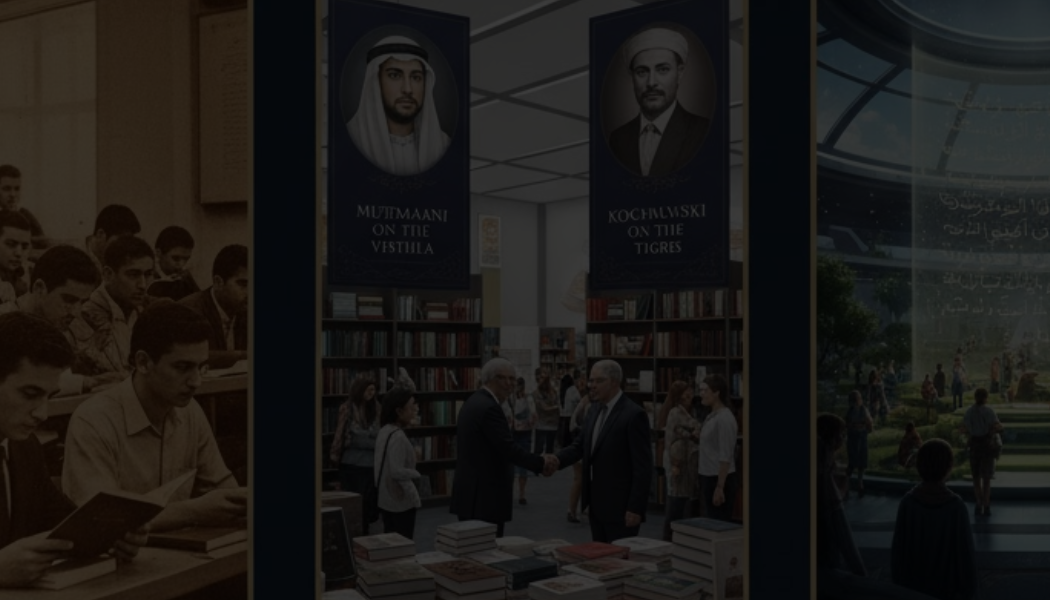
![In official discourse, Russia today presents itself as a natural partner of the Global South and as a defender of a multipolar world order in opposition to what it describes as Western dominance. This narrative resonates strongly in the Arab world, as it echoes a deep political memory that goes back to the Bandung Conference of 1955, when post-colonial states, including Egypt under Gamal Abdel Nasser, sought to chart an independent path beyond the rivalry of great powers. At that time, the goal was not alignment, but precisely the opposite. As analyses published by Explaining History note, Bandung leaders declared their rejection of “colonialism in all its forms”, whether Western or Soviet. The central idea was clear: true independence meant not becoming a tool in someone else’s conflict. Today, Russia invokes the same language, but operates according to a different logic. From Partnership to Exploitation Facts on the ground reveal a different picture. In Iraq, for example, security investigations uncovered recruitment networks targeting young people. As reported by The New Arab, they were lured by offers of work or study, which later “turned into military service contracts” after arrival in Russia. The issue was not only deception, but also the structure of the process itself, where individuals were pressured to sign documents in a language they did not understand. Other sources confirm that these were not isolated cases. The National reports that young people were recruited through “seemingly legal channels such as travel agencies or employment offices”, only to find themselves bound by contracts they could not escape. The same source adds that “around 3,000 Iraqis ended up in the Russian army”. What is happening here is not cooperation between states, but the exploitation of economic and informational asymmetries. Cuba and Africa: The Same Pattern, Different Tools In Cuba, the mechanism takes a different form but follows the same logic. According to an analysis by the Friedrich Naumann Foundation, recruits were offered salaries “of up to 2,000 USD per month, compared to an average Cuban income of around 17 USD”, along with promises of property and citizenship. In such conditions, the issue is less about free choice and more about economic pressure. In Africa, the picture is more fragmented, but the underlying logic remains similar. Al Jazeera reported, citing Ukrainian sources, that “more than 1,780 African nationals are currently fighting in the Russian army”, with recruitment spanning dozens of countries. The same sources indicate that many were drawn in through “black market labor […] without proper training”, often under the pretext of civilian employment. At the individual level, the situation becomes even clearer. A Reuters report states that some recruits were sent “directly to dig trenches and engage in frontline operations”, often without adequate preparation or logistical support. Not Only War, but Also Messaging This process is not limited to military use. The presence of foreign fighters is also instrumentalized in the information domain. According to The New Voice of Ukraine, citing Ukrainian intelligence, the aim is to build a narrative that “Russia is not an aggressor because it is also supported by the ‘civilized world’”. In other words, these individuals serve not only as soldiers, but also as elements of a broader propaganda strategy. What Happened to the Spirit of Bandung? This is where the central contradiction becomes visible. The idea behind Bandung was based on independence and the refusal to be drawn into great power conflicts. What we observe today, however, reflects a different dynamic. The Soviet Union once used the rhetoric of supporting liberation movements, while simultaneously expanding its sphere of influence. Contemporary Russia employs a similar pattern. Instead of overt ideological framing, it relies more on economic incentives, intermediary networks, and information influence. The outcome, however, remains comparable. Countries of the Global South are not treated as equal partners, but as environments from which resources can be extracted, including human resources. The Real Question The issue is not what is being said, but what is actually happening on the ground. If “cooperation” means that young people from Baghdad, Havana, or African cities are sent to fight in wars that are not theirs, then the question must be asked: is this support for independence, or a new form of dependency? The key analytical distinction lies between rhetoric and practice. Official language may speak of resisting imperialism, but operational reality may reproduce it in a different form. This is where the paradox becomes evident. Under the banner of opposing “Western imperialism”, mechanisms are being deployed that follow a similar logic, even if they are framed differently.](https://shaffafiya.com/wp-content/uploads/2026/04/Human-resources.png)