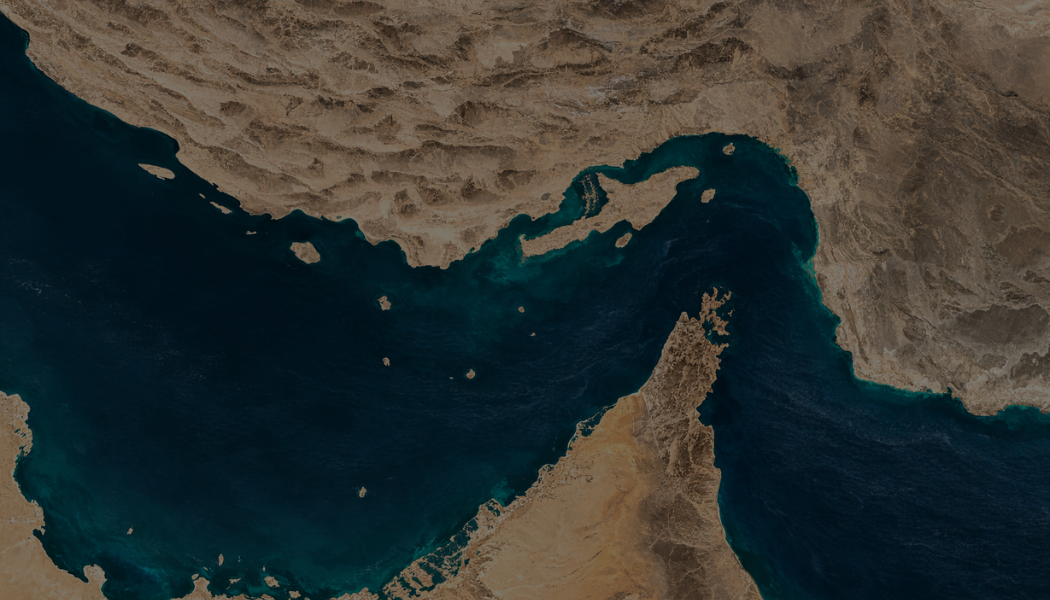
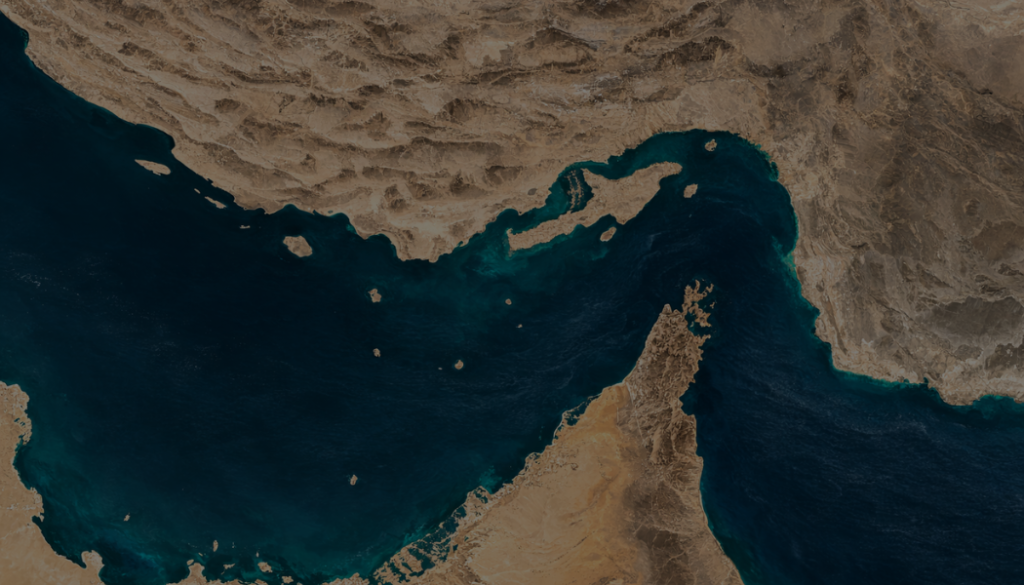
يُعد مضيق هرمز أحد أهم النقاط الجيوستراتيجية في العالم المعاصر. ولا يقتصر تأثيره على البعد الإقليمي فحسب، بل يمتد إلى الاقتصاد العالمي بأكمله، نظراً لارتباط أمن الملاحة في هذه المنطقة بشكل مباشر باستقرار إمدادات الطاقة وحركة التجارة الدولية واستقرار الأسواق العالمية. ولهذا السبب أصبح المضيق موضوعاً متكرراً في النقاشات السياسية والإعلامية، كما تحول في بعض السياقات إلى أداة في الخطابات الدعائية المرتبطة بالصراعات الجيوسياسية في المنطقة.
في بعض الخطابات الإعلامية الروسية، يتم تقديم مضيق هرمز كرمز لنقطة ضعف في النظام الدولي المعاصر، وخاصة في ما يتعلق بأمن الطاقة العالمي. وتُستخدم هذه السردية لتصوير أي توتر في المنطقة باعتباره دليلاً على تراجع قدرة القوى الغربية على إدارة الاستقرار الدولي. وفي هذا السياق لا يُعرض المضيق فقط كمعبر بحري استراتيجي، بل كرمز سياسي واقتصادي يُستخدم في بناء روايات أوسع حول مستقبل النظام الدولي.
من السمات اللافتة في هذه الخطابات درجة التعقيد في طريقة بناء الرسائل الإعلامية. فبدلاً من الاعتماد على رواية واحدة متماسكة، يجري تركيب الرسالة من مجموعة من العناصر المتفرقة، مثل أخبار قصيرة عن عمليات عسكرية، وتعليقات سياسية، وبيانات اقتصادية، واقتباسات من وسائل إعلام غربية، إضافة إلى إحصاءات تتعلق بحركة النقل البحري وأسواق الطاقة. وغالباً ما تُعرض هذه العناصر جنباً إلى جنب، بما يشمل معلومات صحيحة وأخرى جزئية أو تفسيرات تحمل طابعاً تخمينياً.
إن الجمع الانتقائي لهذه العناصر في بيئة إعلامية سريعة الإيقاع يخلق لدى المتلقي شعوراً بوجود حالة من الضبابية أو الفوضى المعلوماتية. وفي مثل هذا السياق قد يتلقى الجمهور إشارات متعددة تبدو مستقلة، لكنها تقود إلى استنتاج واحد مفاده أن التوترات في المنطقة قد تؤدي إلى اضطرابات اقتصادية عالمية وأن النظام الدولي يواجه تحديات متزايدة.
وفي العديد من هذه الرسائل الإعلامية يتم تقديم العمليات العسكرية التي تنفذها الولايات المتحدة وإسرائيل ضد إيران على أنها “تصعيد غير مبرر” قد يؤدي إلى زعزعة الاستقرار الدولي. غير أن هذا الطرح غالباً ما يتجاهل السياق الاستراتيجي الأوسع المرتبط بالمخاوف من تطور البرنامج النووي الإيراني، وتعزيز القدرات الصاروخية، إضافة إلى دور بعض الفاعلين الإقليميين المرتبطين بإيران في النزاعات الدائرة في المنطقة.
وفي المقابل، يتم التركيز على الآثار الاقتصادية المحتملة لأي تصعيد، ولا سيما ما يتعلق بأسعار الطاقة العالمية. ويُعرض مضيق هرمز في هذا السياق كعامل ضغط اقتصادي يمكن أن يؤثر في الأسواق الدولية إذا تعرضت حركة الملاحة فيه لأي اضطراب. كما يجري أحياناً الاستشهاد ببيانات أو تقارير اقتصادية أو تصريحات لمسؤولين في دول غربية بهدف تعزيز الانطباع بوجود مخاوف متزايدة بشأن استقرار أسواق الطاقة.
ولا يقتصر هذا الخطاب على مضيق هرمز وحده، بل يمتد في بعض الأحيان إلى ممرات بحرية أخرى في المنطقة، مثل مضيق باب المندب عند مدخل البحر الأحمر. ففي بعض المواد الإعلامية يتم الربط بين التوترات في الخليج والتطورات في البحر الأحمر، بما في ذلك الهجمات التي استهدفت سفناً تجارية خلال السنوات الأخيرة. ويؤدي هذا الربط إلى توسيع إطار النقاش بحيث يبدو وكأن المنطقة بأكملها تواجه أزمة متشابكة في أمن الملاحة البحرية.
ومن العناصر المتكررة في هذه السرديات أيضاً التركيز على القدرات العسكرية غير التقليدية لبعض الفاعلين الإقليميين، مثل الزوارق السريعة أو الطائرات المسيّرة أو الأسلحة منخفضة التكلفة نسبياً. ويهدف هذا النوع من السرد إلى إبراز فكرة “الحرب غير المتكافئة”، أي قدرة وسائل بسيطة نسبياً على التأثير في ممرات بحرية حيوية للاقتصاد العالمي.
ومن اللافت كذلك أن بعض هذه المواد الإعلامية تستند إلى تقارير أو تحليلات صادرة عن وسائل إعلام غربية أو عن خبراء دوليين. ويؤدي هذا الأسلوب إلى منح الرسالة الإعلامية درجة إضافية من المصداقية، إذ يوحي بأن المخاوف المطروحة لا تأتي فقط من مصادر إعلامية روسية، بل يتم تداولها أيضاً في النقاشات الغربية.
وفي السياق نفسه تظهر روسيا في بعض هذه السرديات باعتبارها طرفاً يدعو إلى التهدئة وإلى الحلول الدبلوماسية. وغالباً ما تُعرض تصريحات المسؤولين الروس على أنها تعبير عن موقف يدعو إلى تجنب التصعيد والحفاظ على الاستقرار الإقليمي. غير أن هذا الطرح يشكل جزءاً من استراتيجية أوسع في الخطاب الإعلامي الدولي، حيث يجري تقديم بعض القوى كعناصر توازن في مقابل ما يُوصف بسياسات تصعيدية لقوى أخرى.
إن تحليل هذه الخطابات يوضح أن مضيق هرمز لا يُستخدم فقط كموقع جغرافي استراتيجي في النقاشات الإعلامية، بل يتحول أيضاً إلى رمز يُستعمل في بناء روايات أوسع حول الاستقرار العالمي وأمن الطاقة ومستقبل النظام الدولي. ومن خلال الربط بين التوترات العسكرية والأسواق الاقتصادية وحركة الملاحة البحرية، يتم خلق صورة ذهنية توحي بأن أي أزمة في المنطقة قد تحمل تداعيات عالمية واسعة.
وفي هذا السياق يصبح فهم آليات بناء هذه السرديات الإعلامية أمراً مهماً لفهم كيفية تشكل التصورات العامة حول الأزمات الدولية. فالمسألة لا تتعلق فقط بالوقائع الميدانية، بل أيضاً بالطريقة التي تُعرض بها هذه الوقائع في الفضاء الإعلامي العالمي، وكيف يمكن أن تؤثر في إدراك الجمهور لطبيعة المخاطر والتوازنات الدولية.


![In official discourse, Russia today presents itself as a natural partner of the Global South and as a defender of a multipolar world order in opposition to what it describes as Western dominance. This narrative resonates strongly in the Arab world, as it echoes a deep political memory that goes back to the Bandung Conference of 1955, when post-colonial states, including Egypt under Gamal Abdel Nasser, sought to chart an independent path beyond the rivalry of great powers. At that time, the goal was not alignment, but precisely the opposite. As analyses published by Explaining History note, Bandung leaders declared their rejection of “colonialism in all its forms”, whether Western or Soviet. The central idea was clear: true independence meant not becoming a tool in someone else’s conflict. Today, Russia invokes the same language, but operates according to a different logic. From Partnership to Exploitation Facts on the ground reveal a different picture. In Iraq, for example, security investigations uncovered recruitment networks targeting young people. As reported by The New Arab, they were lured by offers of work or study, which later “turned into military service contracts” after arrival in Russia. The issue was not only deception, but also the structure of the process itself, where individuals were pressured to sign documents in a language they did not understand. Other sources confirm that these were not isolated cases. The National reports that young people were recruited through “seemingly legal channels such as travel agencies or employment offices”, only to find themselves bound by contracts they could not escape. The same source adds that “around 3,000 Iraqis ended up in the Russian army”. What is happening here is not cooperation between states, but the exploitation of economic and informational asymmetries. Cuba and Africa: The Same Pattern, Different Tools In Cuba, the mechanism takes a different form but follows the same logic. According to an analysis by the Friedrich Naumann Foundation, recruits were offered salaries “of up to 2,000 USD per month, compared to an average Cuban income of around 17 USD”, along with promises of property and citizenship. In such conditions, the issue is less about free choice and more about economic pressure. In Africa, the picture is more fragmented, but the underlying logic remains similar. Al Jazeera reported, citing Ukrainian sources, that “more than 1,780 African nationals are currently fighting in the Russian army”, with recruitment spanning dozens of countries. The same sources indicate that many were drawn in through “black market labor […] without proper training”, often under the pretext of civilian employment. At the individual level, the situation becomes even clearer. A Reuters report states that some recruits were sent “directly to dig trenches and engage in frontline operations”, often without adequate preparation or logistical support. Not Only War, but Also Messaging This process is not limited to military use. The presence of foreign fighters is also instrumentalized in the information domain. According to The New Voice of Ukraine, citing Ukrainian intelligence, the aim is to build a narrative that “Russia is not an aggressor because it is also supported by the ‘civilized world’”. In other words, these individuals serve not only as soldiers, but also as elements of a broader propaganda strategy. What Happened to the Spirit of Bandung? This is where the central contradiction becomes visible. The idea behind Bandung was based on independence and the refusal to be drawn into great power conflicts. What we observe today, however, reflects a different dynamic. The Soviet Union once used the rhetoric of supporting liberation movements, while simultaneously expanding its sphere of influence. Contemporary Russia employs a similar pattern. Instead of overt ideological framing, it relies more on economic incentives, intermediary networks, and information influence. The outcome, however, remains comparable. Countries of the Global South are not treated as equal partners, but as environments from which resources can be extracted, including human resources. The Real Question The issue is not what is being said, but what is actually happening on the ground. If “cooperation” means that young people from Baghdad, Havana, or African cities are sent to fight in wars that are not theirs, then the question must be asked: is this support for independence, or a new form of dependency? The key analytical distinction lies between rhetoric and practice. Official language may speak of resisting imperialism, but operational reality may reproduce it in a different form. This is where the paradox becomes evident. Under the banner of opposing “Western imperialism”, mechanisms are being deployed that follow a similar logic, even if they are framed differently.](https://shaffafiya.com/wp-content/uploads/2026/04/Human-resources.png)