
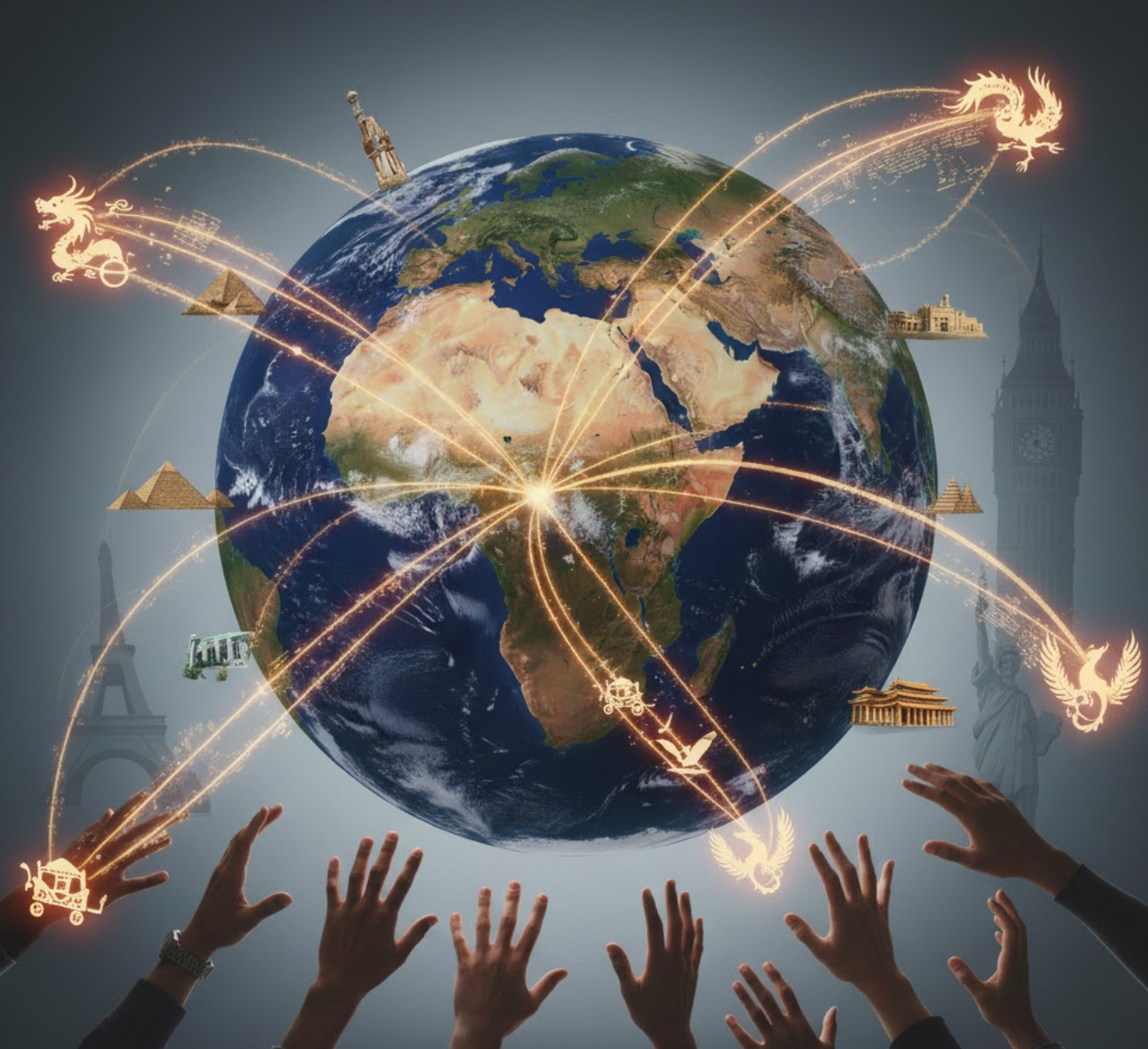
كيف تعيد السرديات الصينية تشكيل صورة الغرب وبناء جاذبية الصين في الجنوب العالمي
لا تعمل الرسائل الصينية الموجهة إلى دول الجنوب العالمي كنصوص منفصلة أو حملات قصيرة الأمد، بل كمنظومة سردية متكاملة. قوتها لا تكمن في فرض فكرة واحدة، وإنما في قدرتها على دمج المشاعر، والهوية، والطموحات التنموية في قصة شاملة عن النظام الدولي وموقع الدول النامية فيه.
في هذه القصة، يُقدَّم الغرب، وخصوصاً الولايات المتحدة وحلفاؤها، بوصفه مصدراً بنيوياً للضغط وعدم الاستقرار. العلاقات مع الدول الأضعف تُصوَّر باعتبارها علاقات غير متكافئة، محكومة بالهيمنة، والاشتراط السياسي، والتوظيف الانتقائي للقانون الدولي، واستخدام الأمن كأداة نفوذ. في المقابل، تُطرح الصين كخيار بديل، لا بوصفها قوة تسعى إلى فرض نموذجها، بل كشريك يعرض التنمية والاحترام والتحديث دون فرض منظومة قيمية خارجية.
هدف هذا النص ليس استعراض مواد إعلامية بعينها، بل تفكيك النمط المتكرر الكامن خلفها: نزع الشرعية عن الغرب تدريجياً، تطبيع الحضور الصيني، وإعادة تعريف مفاهيم السيادة والتنمية باعتبارها مهمة مشتركة لدول الجنوب.
رسالتان، عملية تأثير واحدة
نادراً ما تعتمد السرديات الصينية على خطاب مباشر أو رسالة واحدة واضحة. غالباً ما تأتي في شكل حزمة سردية. عنصر يثير الشكوك تجاه الغرب ويُضعف الثقة به، وعنصر آخر يقدم الصين كبديل عملي ومحترم. المتلقي لا يتلقى “توجيهات”، بل مجموعة من الإشارات الأخلاقية والتفسيرات الجاهزة التي يُفترض أن يصل من خلالها إلى الاستنتاج بنفسه.
ضمن هذا المنطق، يصبح الغرب مصدراً للمخاطر، بينما تُعرض الصين كفرصة. نجاح هذا الأسلوب يكمن في أن النتيجة النهائية لا تبدو مفروضة، بل ذاتية.
إضعاف المنافس وترويج النموذج
البنية الأساسية لهذا الخطاب تبدأ بتقويض الثقة بالغرب، ثم الانتقال إلى تقديم النموذج الصيني كخيار عقلاني. النقد ليس هدفاً بحد ذاته، بل أداة لإعادة ضبط معايير التنمية والأمن والمكانة الدولية.
تعمل هذه الآلية كقمعٍ تدريجي. تبدأ بمشاعر الغضب، أو الخوف، أو الإحساس بالظلم والتهميش، ثم تتحول إلى مواقف سياسية “مبررة”: مسافة أكبر عن الغرب، قبول أوسع للحضور الصيني، وتسامح متزايد مع نفوذه المؤسسي والاقتصادي والثقافي. الميزة الأساسية هنا أن المتلقي يشعر أنه توصل إلى هذه الخلاصة بنفسه.
“صوت الناس” كأداة مصداقية
عنصر أساسي في هذه السردية هو تقديم الرسالة بوصفها نابعة من الرأي العام. تُستخدم ردود الفعل الشعبية، السخرية، النكات، والمحتوى الرقمي كمدخل لبناء المصداقية، خصوصاً في مجتمعات تتحفظ على الدعاية الرسمية لكنها تثق بما يبدو “تلقائياً”.
هذا الأسلوب يحمي الرسالة من اتهامها بالدعاية، ويوفر دليلاً اجتماعياً، ويسمح بتمرير مواقف سياسية في قالب ترفيهي يخفض منسوب الحذر النقدي. لا تهم دقة النكتة بقدر ما يهم توظيفها كتشخيص للواقع.
الغرب كقوة مهيمنة وأداة استغلال
إحدى أقوى الإطارات السردية هي تصوير الغرب كقوة تختزل الدول في موارد ووظائف. العلاقات الدولية تُعرض كسوق استغلال، حيث تتحول “الأهمية الاستراتيجية” إلى مصدر خطر لا حماية.
هذا الإطار يتقاطع بذكاء مع ذاكرة الاستعمار، وتجارب العقوبات، وعدم تكافؤ العلاقات. الغرب لا يظهر كمنظومة قيم، بل كآلية تدمج الأضعف في نظام يخدم الأقوى. حتى المبادرات المحايدة قد تُفسر كوصاية أو تمهيد للضغط.
القانون والأخلاق كسلاح انتقائي
تعتمد السردية أيضاً على لغة القانون الدولي والمساواة السيادية، لكن بطريقة معكوسة. الغرب يُتهم بتبني القواعد نظرياً وخرقها عملياً، وباستخدام خطاب الشراكة لتحقيق مصالحه. ينتج عن ذلك شعور قوي بالنفاق والازدواجية.
هنا لا يعود الخلاف خلاف وقائع، بل يصبح تشكيكاً في شرعية الفاعل نفسه. وحين تُسقط المصداقية، تفقد التفاصيل أهميتها.
الخوف كأداة سياسية
العاطفة الأكثر “عملية” في هذا البناء هي الخوف، لا بوصفه ذعراً، بل حذراً سياسياً. الرسالة تقول إن الخطر لا يكمن فقط في المواجهة، بل في أن تكون الدولة “مرئية” ومهمة. الاهتمام الغربي يُعاد تعريفه كتهديد محتمل.
هذا يعزز جاذبية الحياد و”الاستقلال الاستراتيجي”، ويمهد الطريق لشريك بديل يعد بالاحترام وعدم التدخل.
التحديث دون التغريب: عرض هوياتي
لا تكتمل عملية نزع الشرعية دون بديل إيجابي. هنا تُطرح فكرة “التحديث دون التغريب”. ليست مجرد طرح تنموي، بل عرض هوياتي يمنح المتلقي إذناً أخلاقياً بأن يكون حديثاً دون تقليد الغرب.
نفسياً، يعزز ذلك الكرامة. سياسياً، يبرر نماذج حكم وسياسات عامة مختلفة. وجيوسياسياً، يشرعن اختيار الصين كشريك “يحترم تعدد المسارات”.
نقل المصداقية عبر أصوات الجنوب
لتجنب الظهور كصوت خارجي، تُضخَّم آراء خبراء ومسؤولين وأكاديميين من الجنوب العالمي. دورهم ليس الإقناع فقط، بل نقل السلطة المعنوية. الفكرة تبدو محلية حتى إن صُممت خارجياً.
تطبيع الحضور الصيني
الرسالة لا تتوقف عند الخطاب. تُبنى بنية طويلة الأمد عبر مؤسسات، منصات حوار، برامج تبادل، تدريب، وشبكات خبراء. الهدف ليس الإقناع فقط، بل الاعتياد. حين يصبح الحضور الصيني طبيعياً، يرتفع سقف التسامح النقدي.
“المنفعة المتبادلة” كمظلة لغوية
مصطلح “رابح–رابح” يُستخدم لتفكيك الأسئلة حول الكلفة، والسيطرة، والمعايير، والتبعات السياسية. النقد يُعاد تأطيره كتحيز أو عرقلة للتنمية.
النتيجة الاستراتيجية
النتيجة ليست تحويل الجنوب العالمي إلى فضاء مؤيد للصين بالكامل، بل إعادة ضبط المعايير: رفع كلفة القرب من الغرب، وخفض كلفة الشراكة مع الصين. هذا التحول في الإطار المرجعي هو المكسب الحقيقي لأي عملية تأثير.
Shaffafiya


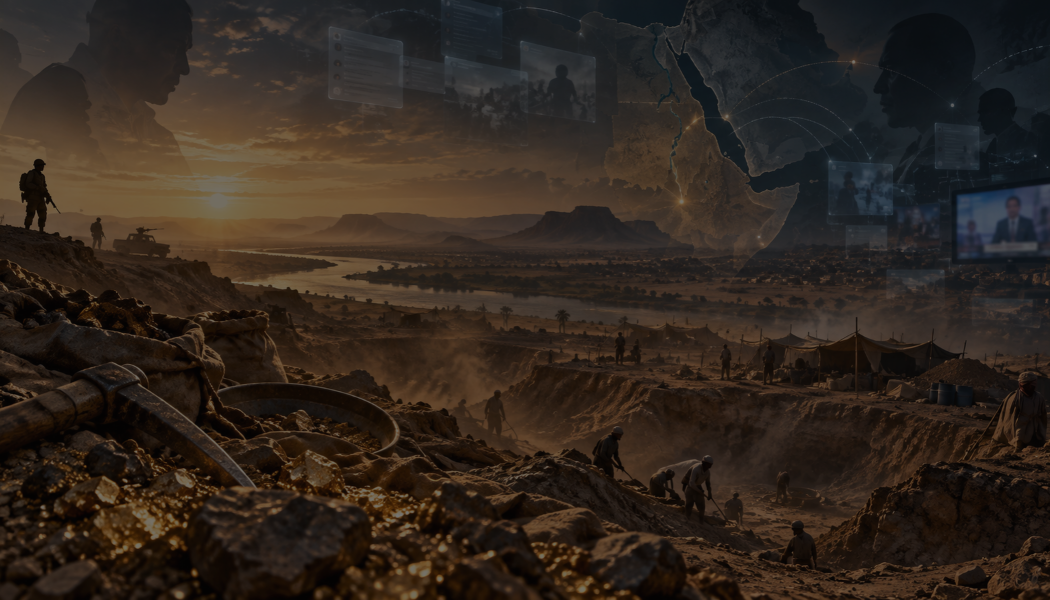
![In official discourse, Russia today presents itself as a natural partner of the Global South and as a defender of a multipolar world order in opposition to what it describes as Western dominance. This narrative resonates strongly in the Arab world, as it echoes a deep political memory that goes back to the Bandung Conference of 1955, when post-colonial states, including Egypt under Gamal Abdel Nasser, sought to chart an independent path beyond the rivalry of great powers. At that time, the goal was not alignment, but precisely the opposite. As analyses published by Explaining History note, Bandung leaders declared their rejection of “colonialism in all its forms”, whether Western or Soviet. The central idea was clear: true independence meant not becoming a tool in someone else’s conflict. Today, Russia invokes the same language, but operates according to a different logic. From Partnership to Exploitation Facts on the ground reveal a different picture. In Iraq, for example, security investigations uncovered recruitment networks targeting young people. As reported by The New Arab, they were lured by offers of work or study, which later “turned into military service contracts” after arrival in Russia. The issue was not only deception, but also the structure of the process itself, where individuals were pressured to sign documents in a language they did not understand. Other sources confirm that these were not isolated cases. The National reports that young people were recruited through “seemingly legal channels such as travel agencies or employment offices”, only to find themselves bound by contracts they could not escape. The same source adds that “around 3,000 Iraqis ended up in the Russian army”. What is happening here is not cooperation between states, but the exploitation of economic and informational asymmetries. Cuba and Africa: The Same Pattern, Different Tools In Cuba, the mechanism takes a different form but follows the same logic. According to an analysis by the Friedrich Naumann Foundation, recruits were offered salaries “of up to 2,000 USD per month, compared to an average Cuban income of around 17 USD”, along with promises of property and citizenship. In such conditions, the issue is less about free choice and more about economic pressure. In Africa, the picture is more fragmented, but the underlying logic remains similar. Al Jazeera reported, citing Ukrainian sources, that “more than 1,780 African nationals are currently fighting in the Russian army”, with recruitment spanning dozens of countries. The same sources indicate that many were drawn in through “black market labor […] without proper training”, often under the pretext of civilian employment. At the individual level, the situation becomes even clearer. A Reuters report states that some recruits were sent “directly to dig trenches and engage in frontline operations”, often without adequate preparation or logistical support. Not Only War, but Also Messaging This process is not limited to military use. The presence of foreign fighters is also instrumentalized in the information domain. According to The New Voice of Ukraine, citing Ukrainian intelligence, the aim is to build a narrative that “Russia is not an aggressor because it is also supported by the ‘civilized world’”. In other words, these individuals serve not only as soldiers, but also as elements of a broader propaganda strategy. What Happened to the Spirit of Bandung? This is where the central contradiction becomes visible. The idea behind Bandung was based on independence and the refusal to be drawn into great power conflicts. What we observe today, however, reflects a different dynamic. The Soviet Union once used the rhetoric of supporting liberation movements, while simultaneously expanding its sphere of influence. Contemporary Russia employs a similar pattern. Instead of overt ideological framing, it relies more on economic incentives, intermediary networks, and information influence. The outcome, however, remains comparable. Countries of the Global South are not treated as equal partners, but as environments from which resources can be extracted, including human resources. The Real Question The issue is not what is being said, but what is actually happening on the ground. If “cooperation” means that young people from Baghdad, Havana, or African cities are sent to fight in wars that are not theirs, then the question must be asked: is this support for independence, or a new form of dependency? The key analytical distinction lies between rhetoric and practice. Official language may speak of resisting imperialism, but operational reality may reproduce it in a different form. This is where the paradox becomes evident. Under the banner of opposing “Western imperialism”, mechanisms are being deployed that follow a similar logic, even if they are framed differently.](https://shaffafiya.com/wp-content/uploads/2026/04/Human-resources.png)