
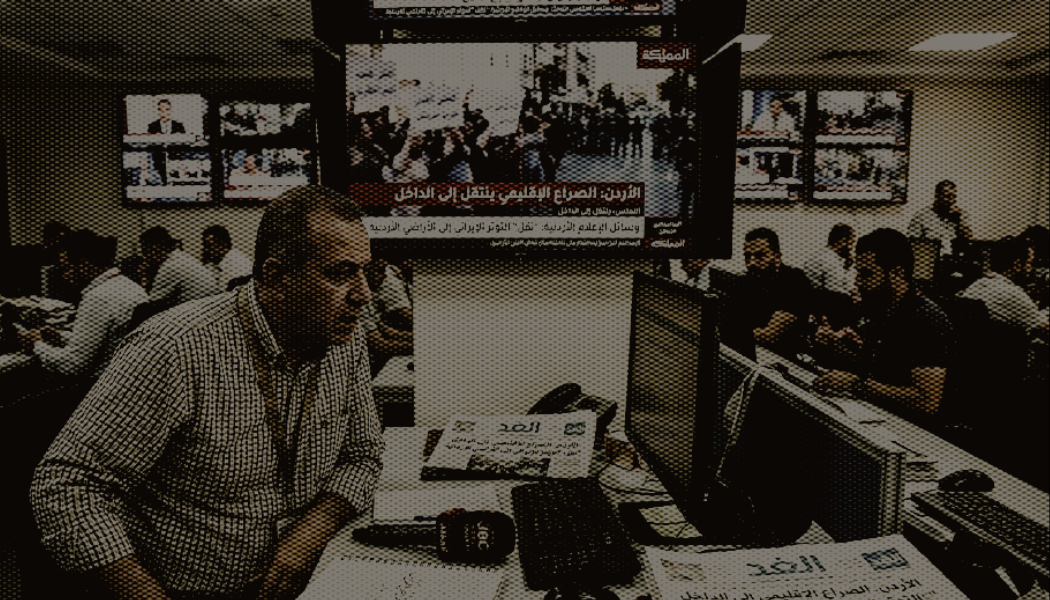
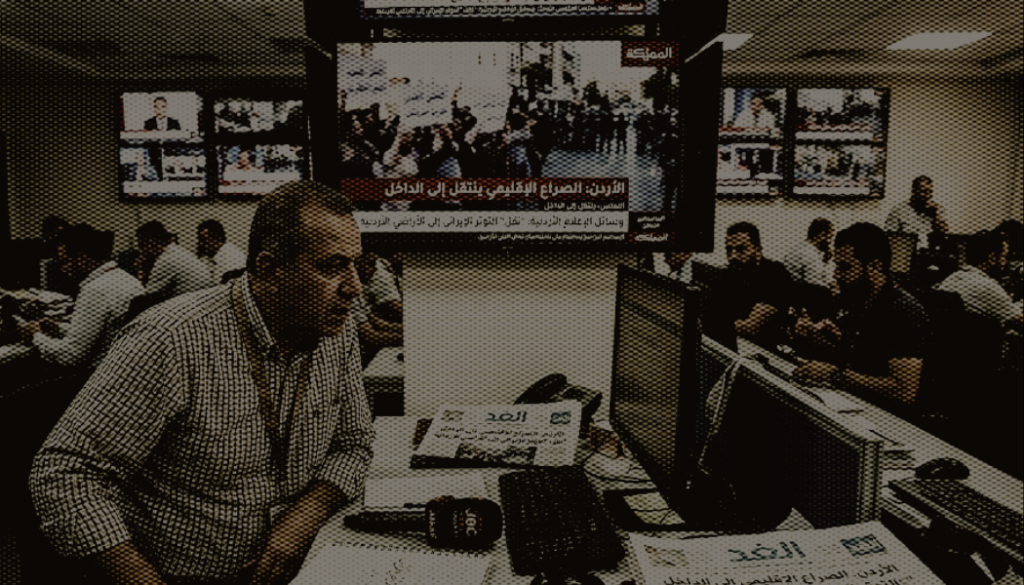
في المشهد الإعلامي الأردني، لا تُقدَّم الحرب في إيران على أنها مجرد حدث خارجي بعيد. بل تتحول إلى إطار يُفسَّر من خلاله الأمن والاستقرار والاقتصاد داخل الدولة. هذا لا يحدث بشكل عفوي، بل نتيجة تفاعل بين طبيعة النظام الإعلامي المحلي ومحاولات التأثير من قبل أطراف خارجية.
هذه الأطراف لا تسعى إلى فرض رواية واحدة بشكل مباشر، بل تعمل على تشكيل الطريقة التي يفهم بها الجمهور الواقع، ومن يثق به، وكيف يفسّر ما يجري حوله.
البيئة الإعلامية كمساحة للتأثير
تعمل وسائل الإعلام في الأردن ضمن توازن خاص. من جهة، هناك مصادر رسمية وإعلام رئيسي يركز على الاستقرار والانضباط المعلوماتي. ومن جهة أخرى، توجد منصات إخبارية سريعة ووسائل تواصل اجتماعي تعزز سرعة انتشار الأخبار وتكثف التفاعل العاطفي معها.
الجهات الخارجية لا تحاول استبدال هذه المنظومة، بل تستفيد منها. فهي تدخل في هذا النظام وتستخدم إيقاعه الطبيعي. الرسائل الرسمية تُعزَّز بمحتوى عاطفي، والمعلومات السريعة تنتشر بسهولة عبر إعادة النشر والاقتباس، أحياناً دون سياق كامل.
وبذلك، يشعر المتلقي أنه أمام تعدد في المصادر، بينما في الواقع يتحرك ضمن مساحة محدودة من التفسيرات.
النموذج الروسي في التأثير الإعلامي
لا تعتمد روسيا في المنطقة على خطاب دعائي مباشر، بل على نموذج متعدد المستويات.
على المستوى الرسمي، تستخدم لغة القانون الدولي والسيادة والاستقرار، وتطرح نفسها كطرف يدعو إلى الحلول الدبلوماسية ويفهم خصوصية المنطقة.
على المستوى الإعلامي، من خلال منصات مثل RT Arabic وSputnik Arabic، يتم تعزيز هذه الرسائل بطريقة أكثر عاطفية. يتم التركيز على الانقسامات داخل الغرب، وعلى حالة عدم اليقين في قراراته، وعلى التكاليف التي قد تتحملها دول المنطقة.
أما على مستوى وكالات الأنباء، فتظهر رسائل ذات قابلية عالية للانتشار، بعضها قد يحتوي على معلومات غير مؤكدة أو يصعب التحقق منها، ما يزيد من مستوى الضبابية.
بهذا الشكل، لا تُبنى رواية واحدة، بل يُنشأ بيئة كاملة توجه المتلقي نحو استنتاجات معينة.
ما هي الأهداف الحقيقية
الهدف ليس إقناع الأردن أو المنطقة بالانحياز إلى طرف معين بشكل مباشر. بل هناك أهداف أعمق وأكثر استمرارية.
أولاً، ترسيخ فكرة أن هذا الصراع هو “حرب الآخرين” وأن تكاليفه تقع على عاتق دول المنطقة. هذا يعزز الميل إلى الحذر وتجنب الانخراط.
ثانياً، إضعاف الثقة بالغرب كطرف موحد وقادر على اتخاذ قرارات واضحة، من خلال إبراز التباينات بين مواقفه.
ثالثاً، تقديم روسيا كبديل دبلوماسي قادر على فهم واقع المنطقة والتعامل معه بمرونة.
رابعاً، تحويل النقاش نحو البعد الاقتصادي، خاصة الطاقة والتجارة، بحيث يصبح الصراع مرتبطاً مباشرة بحياة الناس اليومية.
لماذا تجد هذه الرسائل صدى
نجاح هذه الرسائل لا يعود فقط إلى قوتها، بل إلى توافقها مع حساسيات موجودة أصلاً في المجتمع.
في الأردن، تُعد قضايا الاستقرار الداخلي، والأمن الاقتصادي، وتجنب الانخراط في صراعات خارجية، من أولويات التفكير العام. لذلك، عندما تُقدَّم الرسائل ضمن هذه الأطر، فإنها تبدو منطقية وقريبة من الواقع.
كما أن تكرار نفس الأفكار عبر مصادر مختلفة يمنحها قوة إضافية، حتى لو كانت هذه المصادر مرتبطة ببعضها بشكل غير مباشر.
كيف يمكن التعامل مع هذه الظاهرة
الخطوة الأولى هي التمييز بين الخبر والتفسير. ليس كل ما يُقدَّم على أنه تحليل يعكس الواقع بشكل محايد، بل قد يكون موجهاً نحو استنتاج معين.
الخطوة الثانية هي التحقق من المصدر. انتشار نفس المعلومة في عدة أماكن لا يعني تعدد مصادرها، بل قد تكون منقولة عن جهة واحدة.
الخطوة الثالثة هي الحذر من الرسائل التي تعتمد على إثارة الخوف أو الغضب أو الشعور بالإلحاح، لأنها غالباً ما تكون مصممة للانتشار السريع.
الخطوة الرابعة هي الحفاظ على الثقة بالمصادر الموثوقة، مع الاستمرار في التفكير النقدي وعدم قبول أي رواية بشكل كامل دون تمحيص.
خلاصة
البيئة الإعلامية في الأردن ليست ساحة محايدة، بل مساحة تتقاطع فيها روايات متعددة. الجهات الخارجية، ومن بينها روسيا، لا تعمل من خارج هذا النظام، بل من داخله، مستفيدة من آلياته وطبيعته.
فهم هذه الديناميكيات لا يعني رفض كل ما يأتي من الخارج، بل إدراك أن المعلومات قد تكون أداة تأثير بقدر ما هي وسيلة نقل للواقع.


![In official discourse, Russia today presents itself as a natural partner of the Global South and as a defender of a multipolar world order in opposition to what it describes as Western dominance. This narrative resonates strongly in the Arab world, as it echoes a deep political memory that goes back to the Bandung Conference of 1955, when post-colonial states, including Egypt under Gamal Abdel Nasser, sought to chart an independent path beyond the rivalry of great powers. At that time, the goal was not alignment, but precisely the opposite. As analyses published by Explaining History note, Bandung leaders declared their rejection of “colonialism in all its forms”, whether Western or Soviet. The central idea was clear: true independence meant not becoming a tool in someone else’s conflict. Today, Russia invokes the same language, but operates according to a different logic. From Partnership to Exploitation Facts on the ground reveal a different picture. In Iraq, for example, security investigations uncovered recruitment networks targeting young people. As reported by The New Arab, they were lured by offers of work or study, which later “turned into military service contracts” after arrival in Russia. The issue was not only deception, but also the structure of the process itself, where individuals were pressured to sign documents in a language they did not understand. Other sources confirm that these were not isolated cases. The National reports that young people were recruited through “seemingly legal channels such as travel agencies or employment offices”, only to find themselves bound by contracts they could not escape. The same source adds that “around 3,000 Iraqis ended up in the Russian army”. What is happening here is not cooperation between states, but the exploitation of economic and informational asymmetries. Cuba and Africa: The Same Pattern, Different Tools In Cuba, the mechanism takes a different form but follows the same logic. According to an analysis by the Friedrich Naumann Foundation, recruits were offered salaries “of up to 2,000 USD per month, compared to an average Cuban income of around 17 USD”, along with promises of property and citizenship. In such conditions, the issue is less about free choice and more about economic pressure. In Africa, the picture is more fragmented, but the underlying logic remains similar. Al Jazeera reported, citing Ukrainian sources, that “more than 1,780 African nationals are currently fighting in the Russian army”, with recruitment spanning dozens of countries. The same sources indicate that many were drawn in through “black market labor […] without proper training”, often under the pretext of civilian employment. At the individual level, the situation becomes even clearer. A Reuters report states that some recruits were sent “directly to dig trenches and engage in frontline operations”, often without adequate preparation or logistical support. Not Only War, but Also Messaging This process is not limited to military use. The presence of foreign fighters is also instrumentalized in the information domain. According to The New Voice of Ukraine, citing Ukrainian intelligence, the aim is to build a narrative that “Russia is not an aggressor because it is also supported by the ‘civilized world’”. In other words, these individuals serve not only as soldiers, but also as elements of a broader propaganda strategy. What Happened to the Spirit of Bandung? This is where the central contradiction becomes visible. The idea behind Bandung was based on independence and the refusal to be drawn into great power conflicts. What we observe today, however, reflects a different dynamic. The Soviet Union once used the rhetoric of supporting liberation movements, while simultaneously expanding its sphere of influence. Contemporary Russia employs a similar pattern. Instead of overt ideological framing, it relies more on economic incentives, intermediary networks, and information influence. The outcome, however, remains comparable. Countries of the Global South are not treated as equal partners, but as environments from which resources can be extracted, including human resources. The Real Question The issue is not what is being said, but what is actually happening on the ground. If “cooperation” means that young people from Baghdad, Havana, or African cities are sent to fight in wars that are not theirs, then the question must be asked: is this support for independence, or a new form of dependency? The key analytical distinction lies between rhetoric and practice. Official language may speak of resisting imperialism, but operational reality may reproduce it in a different form. This is where the paradox becomes evident. Under the banner of opposing “Western imperialism”, mechanisms are being deployed that follow a similar logic, even if they are framed differently.](https://shaffafiya.com/wp-content/uploads/2026/04/Human-resources.png)