* * *

* * *
منذ سقوط نظام الأسد في سوريا، شهد السفير الروسي في العراق، إلبروس كوتراتشيف، تراجعًا حادًا في نشاطه العام. تشير تحليلات وسائل الإعلام الشيعية الموالية لإيران في العراق، والتي كانت تروج لروسيا بنشاط في السابق، إلى خيبة أملها من موسكو، وهو ما قد يفسر قرارها بالتراجع المؤقت.
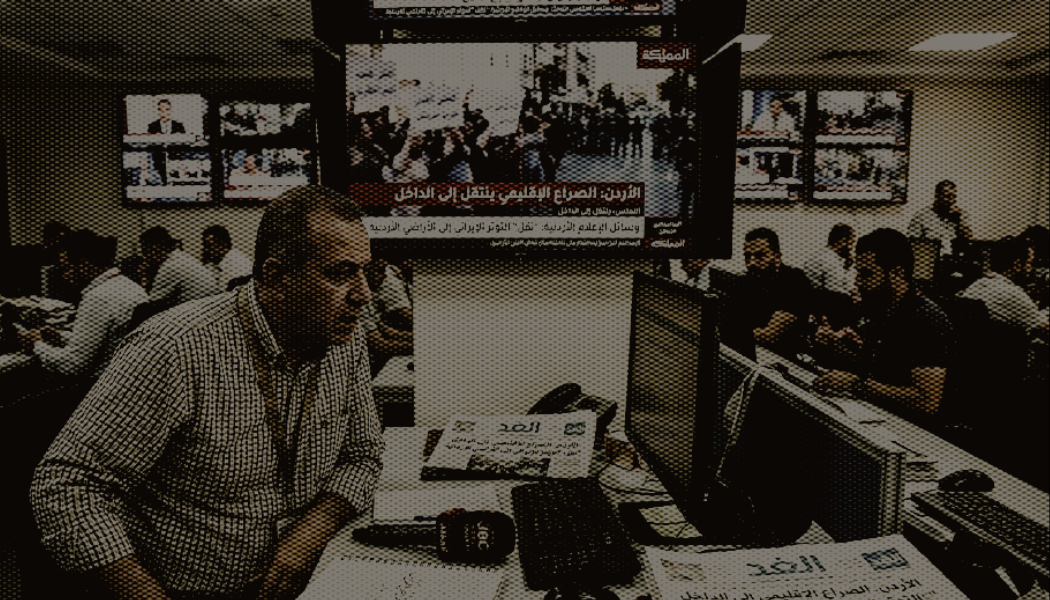
في 8 يناير، بثت قناة “العهد” الشيعية، المرتبطة بجماعة عصائب أهل الحق وزعيمها قيس الخزعلي، تقريرًا اتهمت فيه روسيا بأنها “لعبت لصالح إسرائيل” في سوريا و“تخلّت عن الاستراتيجية الإيرانية” فيما يتعلق بمحاربة الجهاديين التابعين لهيئة تحرير الشام (HTS)، الذين استولوا على السلطة في سوريا. يستند هذا التقرير إلى مقابلة بثتها وكالة “تابناك” الإخبارية الإيرانية، تضمنت حوارًا بين قادة إيرانيين ومسؤولين في هيئة الأركان العامة، وكشفت أن جيش الأسد كان فاسدًا، ولم يكتفِ بتجنب القتال، بل قام تحت ضغط روسيا وغيرها بتخريب محاولات القوات الإيرانية في سوريا لشن عمليات عسكرية.
كما أشار التقرير الذي نقلته قناة “العهد” إلى أن الجيش السوري لم يزوّد القوات الإيرانية المتمركزة في حلب بأي أسلحة، ما أدى إلى سقوط المدينة بسرعة في يد هيئة تحرير الشام ومقتل قائد القوات الإيرانية، الجنرال كيومارس بورهاشمي.
يشير تقرير قناة “العهد” أيضًا إلى أن روسيا دعمت عمليات إسرائيل بعد الضربة الإيرانية على هذا البلد في أبريل 2024. وبحسب ما نقلته “العهد” عن وكالة “تابناك“، فإن “روسيا أوقفت تشغيل راداراتها خلال الهجوم الإسرائيلي على القادة الإيرانيين في سوريا، وهو دليل واضح على تعاونها مع إسرائيل“. كما نقل التقرير عن أحد قادة الحرس الثوري الإيراني قوله: “تخلّت روسيا عن الاستراتيجية البرية الإيرانية التي كانت تهدف إلى القضاء على الجماعات الإرهابية، ووعدت بتنفيذ غارات جوية. لكن تبين أن هذه الغارات استهدفت منازل سكنية ومناطق صحراوية بدلاً من الأهداف العسكرية لتنظيم تحرير الشام“.
ظهرت بالفعل في منتصف ديسمبر تقارير تفيد بأن عناصر من نظام الأسد، بتوجيه من الروس، زوّدوا إسرائيل بمعلومات عن مواقع تمركز القوات الإيرانية في سوريا لتمكين استهدافها بالقصف الجوي. استندت هذه التقارير إلى وثائق مسربة من الاتصالات بين وزارة الدفاع السورية وضابط مخابرات إسرائيلي يحمل الاسم الرمزي “موسى“، والذي كان يشرف على هذه العمليات. لم يكن هذا الأمر مفاجئًا، حيث كان معروفًا منذ فترة طويلة أن روسيا تمنع الأسد من تشغيل الدفاعات الجوية السورية خلال الغارات الإسرائيلية على المواقع الإيرانية في سوريا. ما أثار الدهشة، بدلاً من ذلك، هو أن إيران، رغم ذلك، زوّدت روسيا بطائرات مسيّرة استخدمتها في أوكرانيا، في حين أن وسائل الإعلام مثل “العهد” استمرت في الترويج لسرديات كوتراتشيف الغريبة حول أوروبا، الحروب العالمية، والحرب في أوكرانيا.
قد يشكل تقرير قناة “العهد” بداية لتغيير في الخطاب الإعلامي للمصادر الشيعية الموالية لإيران بشأن الوضع في سوريا. حتى الآن، كانت السردية السائدة تقوم على نظرية مؤامرة تُحمّل مسؤولية الإطاحة بالأسد لتحالف يضم إسرائيل، الجهاديين، تركيا والغرب. إلى حد ما، كان هذا السرد يتماشى مع الرواية الروسية التي سعت إلى تصوير سقوط الأسد كجزء من “معركة روسيا الوحيدة” ضد “عدوان الغرب” على عدة جبهات، بما في ذلك أوكرانيا والشرق الأوسط. التقرير المذكور يكشف زيف هذه السردية ويفضح التناقضات فيها.
يبقى السؤال مفتوحًا حول الاستراتيجية التي ستتبعها روسيا الآن لاستعادة نفوذها بين الشيعة العراقيين، وما إذا كانت ستنجح مرة أخرى في خداع هذه الأوساط عبر اللعب على مشاعر العداء للغرب.
* * *
إعداد: ويتولد ربيتوفيتش | shafafiyat.com
* * *
![In official discourse, Russia today presents itself as a natural partner of the Global South and as a defender of a multipolar world order in opposition to what it describes as Western dominance. This narrative resonates strongly in the Arab world, as it echoes a deep political memory that goes back to the Bandung Conference of 1955, when post-colonial states, including Egypt under Gamal Abdel Nasser, sought to chart an independent path beyond the rivalry of great powers. At that time, the goal was not alignment, but precisely the opposite. As analyses published by Explaining History note, Bandung leaders declared their rejection of “colonialism in all its forms”, whether Western or Soviet. The central idea was clear: true independence meant not becoming a tool in someone else’s conflict. Today, Russia invokes the same language, but operates according to a different logic. From Partnership to Exploitation Facts on the ground reveal a different picture. In Iraq, for example, security investigations uncovered recruitment networks targeting young people. As reported by The New Arab, they were lured by offers of work or study, which later “turned into military service contracts” after arrival in Russia. The issue was not only deception, but also the structure of the process itself, where individuals were pressured to sign documents in a language they did not understand. Other sources confirm that these were not isolated cases. The National reports that young people were recruited through “seemingly legal channels such as travel agencies or employment offices”, only to find themselves bound by contracts they could not escape. The same source adds that “around 3,000 Iraqis ended up in the Russian army”. What is happening here is not cooperation between states, but the exploitation of economic and informational asymmetries. Cuba and Africa: The Same Pattern, Different Tools In Cuba, the mechanism takes a different form but follows the same logic. According to an analysis by the Friedrich Naumann Foundation, recruits were offered salaries “of up to 2,000 USD per month, compared to an average Cuban income of around 17 USD”, along with promises of property and citizenship. In such conditions, the issue is less about free choice and more about economic pressure. In Africa, the picture is more fragmented, but the underlying logic remains similar. Al Jazeera reported, citing Ukrainian sources, that “more than 1,780 African nationals are currently fighting in the Russian army”, with recruitment spanning dozens of countries. The same sources indicate that many were drawn in through “black market labor […] without proper training”, often under the pretext of civilian employment. At the individual level, the situation becomes even clearer. A Reuters report states that some recruits were sent “directly to dig trenches and engage in frontline operations”, often without adequate preparation or logistical support. Not Only War, but Also Messaging This process is not limited to military use. The presence of foreign fighters is also instrumentalized in the information domain. According to The New Voice of Ukraine, citing Ukrainian intelligence, the aim is to build a narrative that “Russia is not an aggressor because it is also supported by the ‘civilized world’”. In other words, these individuals serve not only as soldiers, but also as elements of a broader propaganda strategy. What Happened to the Spirit of Bandung? This is where the central contradiction becomes visible. The idea behind Bandung was based on independence and the refusal to be drawn into great power conflicts. What we observe today, however, reflects a different dynamic. The Soviet Union once used the rhetoric of supporting liberation movements, while simultaneously expanding its sphere of influence. Contemporary Russia employs a similar pattern. Instead of overt ideological framing, it relies more on economic incentives, intermediary networks, and information influence. The outcome, however, remains comparable. Countries of the Global South are not treated as equal partners, but as environments from which resources can be extracted, including human resources. The Real Question The issue is not what is being said, but what is actually happening on the ground. If “cooperation” means that young people from Baghdad, Havana, or African cities are sent to fight in wars that are not theirs, then the question must be asked: is this support for independence, or a new form of dependency? The key analytical distinction lies between rhetoric and practice. Official language may speak of resisting imperialism, but operational reality may reproduce it in a different form. This is where the paradox becomes evident. Under the banner of opposing “Western imperialism”, mechanisms are being deployed that follow a similar logic, even if they are framed differently.](https://shaffafiya.com/wp-content/uploads/2026/04/Human-resources.png)