**Kyiv Blocks Peace, Putin Stabilizes the World: Russian Narratives in Arab Information Ecosystems** The Donald Trump administration’s decision to permit trade in Russian diesel provided the Kremlin with an argument whose credibility stemmed from the actions of Washington itself. Russian media leveraged it to present Moscow as an indispensable partner to the United States, while simultaneously disseminating accusations against Ukraine of blocking peace negotiations. Media monitoring of Arab outlets from October 8–10, 2026, illustrates how messaging from RT Arabic and TASS reached regional news services, where the Russian stance on the war appeared alongside reports of economic cooperation with the U.S. and diplomatic proposals regarding Iran. This juxtaposition enables Moscow to exploit genuine international developments to bolster the credibility of its own framing of the war against Ukraine. On October 9, 2026, Donald Trump announced an agreement with Vladimir Putin regarding supplies of Russian diesel fuel to the American and global markets. On the same day, the U.S. Department of the Treasury authorized specific transactions involving Russian diesel, temporarily easing a portion of the sanctions tied to the war against Ukraine. The decision came during a fuel crisis triggered, in part, by the conflict between the United States and Iran. Concurrently, Russian sources began circulating statements from Kremlin officials regarding peace negotiations. According to Putin’s advisor, Yuri Ushakov, it was Ukraine’s actions during the September Russian Duma elections that made an immediate resumption of talks impossible. This message was published by RT Arabic and subsequently appeared in Arab news services outside Russia. In parallel, Persian Gulf media outlets carried reports detailing Russian diplomatic proposals concerning Iran. ### From Kremlin Announcements to Arab News Outlets The dissemination process of Yuri Ushakov’s statements following the Putin-Trump call can be traced through consecutive publications. On October 9 at 23:17 GMT, RT Arabic published a piece titled *"Putin to Trump: Kyiv's Attempts to Disrupt the Duma Elections Prevented the Immediate Resumption of Negotiations."* The publication outlined the position of the Russian authorities, claiming that Ukrainian drone attacks during the September vote had eliminated the possibility of rapidly resuming trilateral talks involving Russia, Ukraine, and the United States. Ushakov employed the term "Kyiv regime" and framed Ukrainian actions as an attempt to torpedo the political process. His account also indicated that Trump took note of Putin’s position and promised to convey the relevant information to the Ukrainian delegation present in Miami. Ushakov’s explanation shifted responsibility for the diplomatic impasse from Moscow to Kyiv. Ukrainian strikes conducted during the Duma elections were presented as the obstacle to resuming negotiations. This allowed the Kremlin to justify the lack of progress in talks while maintaining declarations of its readiness for a peaceful resolution to the conflict. On October 10, an article with an identical title appeared in the Egyptian daily *Al-Dostor*. A comparison of the two pieces demonstrates near-verbatim alignment, including the order of statements, structural composition, and specific phrasing. However, *Al-Dostor* did not cite RT Arabic as its source. It remains unclear whether the text was acquired directly from the Russian service or through an intermediary distribution channel. Simultaneously, the Lebanese outlet *Beirut Time* published the text, explicitly citing RT Arabic as its source. In this instance, the origin of the message is transparent. The site functions as an aggregator and, in other publications, notes that it automatically ingests content from external websites, including Russian media outlets. This documented case illustrates the mechanics of a retransmission channel, though it does not conclusively demonstrate deliberate engagement by the Lebanese editorial team in promoting Russian narratives. Materials attributed to Russia Today were also published by the Yemeni daily *Al-Ayyam*, based in Aden. On September 7, 2026, it carried statements by Dmitry Peskov regarding the possibility of resuming peace negotiations with Ukraine. Later, on September 12, it ran a piece on allegations that Ukrainian military instructors were supporting armed groups in Mali and Sudan. In both instances, Russia Today was cited as the source. These publications document an established presence of Russian messages in the Yemeni press, though they do not clarify whether the articles were ingested automatically. A simple reprint on a local website does not in itself prove significant reach or influence over target audiences. It merely confirms that content from Russian state media was made available beyond its proprietary channels. The publication by the Emirati daily *Al Khaleej* on October 10 presents a different picture. Its report on the 90-minute phone call between Trump and Putin utilized information from the Russian news agency TASS as well as Kremlin statements. Right from the headline, both presidents were depicted as statesmen seeking solutions to global conflicts amid cascading crises. The body of the article included Russian assertions blaming Kyiv for the failure to resume peace talks, alongside characterizations of Ukrainian military operations as "terrorist attacks." While the article attributed these statements to Russian officials, its overall structure highlighted Moscow’s diplomatic engagement and Putin’s readiness for dialogue. *Al Khaleej* juxtaposed Russian allegations against Kyiv with details on Putin’s proposals regarding the Iranian nuclear program. Readers were thus presented with a narrative in which the Kremlin attributes the peace impasse to Ukraine while simultaneously offering its own solutions to the crisis in the Middle East. Such framing reinforces Moscow's diplomatic profile, even if it does not prove that the Emirati editorial board intentionally intended to advance Russian positions. ### The Energy Crisis Opened New Communication Space for Russia On October 9, the U.S. Office of Foreign Assets Control (OFAC) issued General License No. 135, authorizing transactions related to the sale, delivery, discharge, and import of Russian diesel fuel through April 7, 2027, within the scope of specified sanctions regimes. The license does not represent a complete repeal of sanctions against Russia, nor does it guarantee the actual delivery of the announced fuel volumes. It does, however, establish a legal avenue for conducting specific commercial transactions. Trump announced that Russia would deliver over 300,000 metric tons of diesel in an initial batch, followed by 500,000 metric tons in November, one million metric tons in the subsequent phase, and up to an additional three million tons depending on the capacity of Russian refineries. The announcement came against a backdrop of rising fuel prices in the United States, just weeks prior to the Congressional elections. Russian state media seized upon this event to highlight the mutual benefits of Moscow-Washington cooperation. RT Arabic featured statements from Kirill Dmitriev regarding the future of Russian-American economic relations, as well as comments from Trump thanking Putin for the fuel agreement. Russian messaging constructed an image of Moscow as a partner capable of alleviating energy supply constraints in the United States. Not all Arab media outlets adopted this interpretation. In its coverage on October 10, *Al Jazeera* detailed the economic limitations of the agreement, calling attention to the modest scale of the promised deliveries relative to global demand, as well as structural challenges within Russian refineries. It also included the perspective of Volodymyr Zelenskyy, who framed the easing of sanctions as a move that directly facilitates the continued financing of Russia’s war. Washington's decision also intersects with the broader debate on energy security across MENA states, an issue intensified by the regional escalation around Iran. Consequently, Russian media can frame engagement with Moscow as a pragmatic response to tangible economic challenges rather than a purely political overture. ### Russia’s Mediation Offer in the Iran Conflict Following the Trump-Putin call, Russian media heavily promoted Moscow's proposals regarding the Iranian nuclear program. According to reports by TASS, Putin reiterated Moscow’s willingness to take custody of Iran’s enriched uranium, presenting the offer as a potential centerpiece for a broader agreement between Washington and Tehran. Yuri Ushakov emphasized that diplomatic avenues for resolving the conflict had not been exhausted. The Russian president reportedly also conveyed Tehran’s official stance directly to Trump. These details were featured in the aforementioned *Al Khaleej* report. Within a single article, Russian accusations against Ukraine were presented alongside Moscow’s proposals to resolve the confrontation over Iran. Russia leverages its relationship with Tehran to position itself as an indispensable interlocutor for Washington on matters outside the immediate scope of the war in Ukraine. The proposal regarding Iranian uranium enables Moscow to showcase its role in Middle Eastern security discussions. Whether the Russian offer brought a deal on Iran any closer remains undetermined. Nevertheless, it gained traction in Arab coverage of the Trump-Putin exchange, appearing prominently alongside the Ukrainian situation and fuel shipments. ### Transfer of Russian Narratives and the Limits of Findings The monitored publications reveal two distinct mechanisms by which Russian messaging enters regional information flows: 1. **Direct Reprinting:** Local platforms republish content produced by RT Arabic. 2. **Local Editorial Synthesis:** Regional newsrooms author original articles incorporating Russian sources, primarily TASS. The first mechanism demonstrates the direct replication of original content; the second reflects how quotes and framing provided by Moscow officials are selected and incorporated by local editors. While these documented instances confirm the transmission of Russian messages, they do not establish the existence of a coordinated FIMI (Foreign Information Manipulation and Interference) operation. No operational links between the newsrooms were identified, nor were networks of inauthentic accounts found amplifying this specific content. Transparent reprints of RT Arabic material and reliance on TASS wires may simply reflect routine editorial practices. These conclusions apply specifically to the analyzed texts rather than the Arab media landscape as a whole. In the case of *Al-Dostor*, the article closely mirrored content published by RT Arabic but omitted any attribution to the Russian source. As a result, readers of the Egyptian outlet were not clearly informed that the piece originated from a Russian state media entity. While this does not prove deliberate intent on the part of the editors, it demonstrates how attribution to the primary source can erode as content moves through downstream distribution channels. ### Analytical Assessment The primary mechanism identified in this monitoring cycle is the strategic utilization of real-world policy decisions to reinforce Russian interpretations of international events. The Trump administration’s authorization of specific transactions involving Russian diesel validates Washington's willingness to engage in limited economic cooperation with Moscow despite the ongoing war. Russian media exploit this fact as proof of Russia’s political and economic utility. Simultaneously, they circulate Kremlin talking points attributing the deadlock in peace negotiations entirely to Ukraine. This creates an environment where the credibility of factual reports regarding U.S. actions is transferred to political claims made by Russian authorities—claims that find no actual corroboration in those policy decisions. For the Kremlin, this represents an effective communication strategy within the MENA region. The conflict surrounding Iran and regional energy security directly touch upon local political and economic interests. Reports highlighting Russian involvement in addressing these crises can capture the attention of audiences that may not follow the day-to-day progression of the war in Ukraine. Moscow thus gains the ability to project its policy through the lens of pragmatic cooperation with Washington and proactive diplomacy, relegating its aggression against Ukraine to the background. The most significant consequence of this mechanism would be the gradual decoupling of Russia’s political assessment as an aggressor from its image as a useful partner in security and economic matters. Russian communications can leverage real policy decisions by foreign governments as arguments for normalizing relations with Moscow, subsequently linking that messaging to accusations leveled at Ukraine. However, the ultimate efficacy of this tactic remains unverified. Current monitoring documents distribution channels and publication content, but it does not confirm shifts in audience attitudes or the presence of a coordinated FIMI campaign. Determining whether Russian interpretations begin to circulate independently within the commentary, political discourse, and editorial coverage of Arab outlets—without direct attribution to Russian sources—will be decisive for future assessments.
كييف تعرقل السلام وپوتين يرسخ استقرار العالم: الروايات الروسية في الفضاء الإعلامي العربي

كييف تعرقل السلام وپوتين يرسخ استقرار العالم: الروايات الروسية في الفضاء الإعلامي العربي
In official discourse, Russia today presents itself as a natural partner of the Global South and as a defender of a multipolar world order in opposition to what it describes as Western dominance. This narrative resonates strongly in the Arab world, as it echoes a deep political memory that goes back to the Bandung Conference of 1955, when post-colonial states, including Egypt under Gamal Abdel Nasser, sought to chart an independent path beyond the rivalry of great powers. At that time, the goal was not alignment, but precisely the opposite. As analyses published by Explaining History note, Bandung leaders declared their rejection of “colonialism in all its forms”, whether Western or Soviet. The central idea was clear: true independence meant not becoming a tool in someone else’s conflict. Today, Russia invokes the same language, but operates according to a different logic. From Partnership to Exploitation Facts on the ground reveal a different picture. In Iraq, for example, security investigations uncovered recruitment networks targeting young people. As reported by The New Arab, they were lured by offers of work or study, which later “turned into military service contracts” after arrival in Russia. The issue was not only deception, but also the structure of the process itself, where individuals were pressured to sign documents in a language they did not understand. Other sources confirm that these were not isolated cases. The National reports that young people were recruited through “seemingly legal channels such as travel agencies or employment offices”, only to find themselves bound by contracts they could not escape. The same source adds that “around 3,000 Iraqis ended up in the Russian army”. What is happening here is not cooperation between states, but the exploitation of economic and informational asymmetries. Cuba and Africa: The Same Pattern, Different Tools In Cuba, the mechanism takes a different form but follows the same logic. According to an analysis by the Friedrich Naumann Foundation, recruits were offered salaries “of up to 2,000 USD per month, compared to an average Cuban income of around 17 USD”, along with promises of property and citizenship. In such conditions, the issue is less about free choice and more about economic pressure. In Africa, the picture is more fragmented, but the underlying logic remains similar. Al Jazeera reported, citing Ukrainian sources, that “more than 1,780 African nationals are currently fighting in the Russian army”, with recruitment spanning dozens of countries. The same sources indicate that many were drawn in through “black market labor […] without proper training”, often under the pretext of civilian employment. At the individual level, the situation becomes even clearer. A Reuters report states that some recruits were sent “directly to dig trenches and engage in frontline operations”, often without adequate preparation or logistical support. Not Only War, but Also Messaging This process is not limited to military use. The presence of foreign fighters is also instrumentalized in the information domain. According to The New Voice of Ukraine, citing Ukrainian intelligence, the aim is to build a narrative that “Russia is not an aggressor because it is also supported by the ‘civilized world’”. In other words, these individuals serve not only as soldiers, but also as elements of a broader propaganda strategy. What Happened to the Spirit of Bandung? This is where the central contradiction becomes visible. The idea behind Bandung was based on independence and the refusal to be drawn into great power conflicts. What we observe today, however, reflects a different dynamic. The Soviet Union once used the rhetoric of supporting liberation movements, while simultaneously expanding its sphere of influence. Contemporary Russia employs a similar pattern. Instead of overt ideological framing, it relies more on economic incentives, intermediary networks, and information influence. The outcome, however, remains comparable. Countries of the Global South are not treated as equal partners, but as environments from which resources can be extracted, including human resources. The Real Question The issue is not what is being said, but what is actually happening on the ground. If “cooperation” means that young people from Baghdad, Havana, or African cities are sent to fight in wars that are not theirs, then the question must be asked: is this support for independence, or a new form of dependency? The key analytical distinction lies between rhetoric and practice. Official language may speak of resisting imperialism, but operational reality may reproduce it in a different form. This is where the paradox becomes evident. Under the banner of opposing “Western imperialism”, mechanisms are being deployed that follow a similar logic, even if they are framed differently.
روسيا والجنوب العالمي: من باندونغ إلى توظيف البشر في حروب الآخرين

روسيا والجنوب العالمي: من باندونغ إلى توظيف البشر في حروب الآخرين
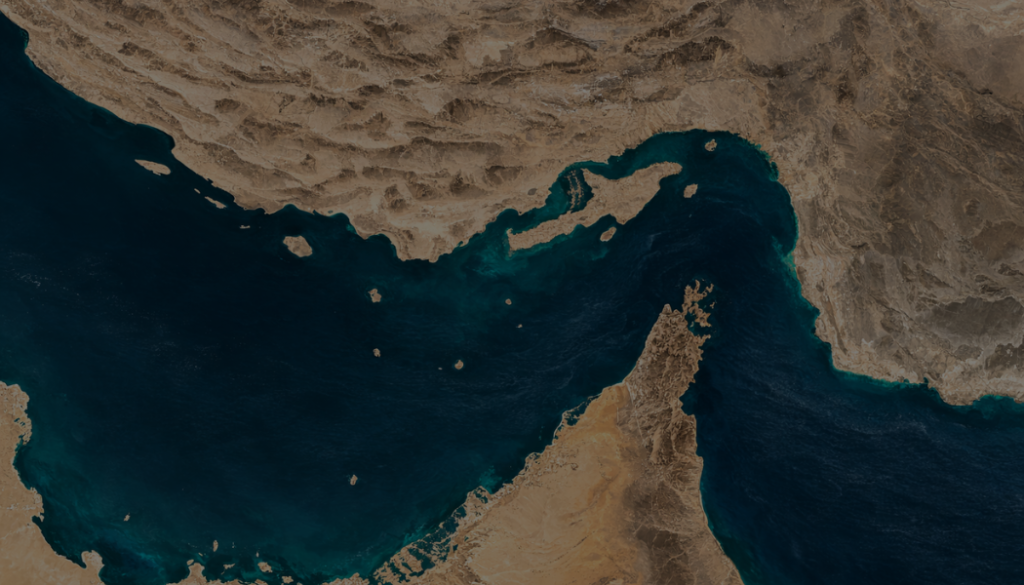
Oto wierne, profesjonalne tłumaczenie Twojego tekstu na język angielski, zachowujące pełną treść, strukturę oraz specjalistyczną terminologię z zakresu geopolityki i analizy mediów. The Strait of Hormuz in Russian Propaganda as a Symbol of Global Western Vulnerability The Strait of Hormuz belongs to the most important strategic points of the modern world. Its significance extends far beyond the regional dimension, as the security of navigation in this area remains directly linked to the stability of energy supplies, the security of international trade, and the economic health of Western nations. For this reason, the subject of Hormuz has become a fertile field for information influence, especially in propaganda messages constructed around the conflict involving Iran, the United States, and Israel. In the Russian information space, this strait is presented as a symbol of the West's strategic weakness. These narratives serve to reinforce the message about the West's alleged loss of control over international security, Europe's vulnerability to energy shortages, and the inevitable costs of policies supporting military actions against Iran. As a result, the Strait of Hormuz is transformed from a geostrategic object into a tool of information warfare, intended to affect the audience's emotions, their perception of risk, and their assessment of the West's credibility. Particular attention should be paid to the high level of complexity of the analyzed propaganda message. It is not built in the form of a single, coherent narrative but is created by combining many fragmentary communications. These include short reports on military actions, political commentaries, economic information, quotes from Western media, and selected statistical data regarding maritime transport and the energy market. In this message, true information, partially true information, and interpretations of a speculative or false nature are juxtaposed. Their selective combination under conditions of high information dynamics and intense media exposure creates an impression of information chaos. In such a situation, the recipient receives many seemingly independent signals leading to a single conclusion, according to which the West is losing control over the situation, and the escalation of the conflict will lead to serious economic consequences on a global scale. This type of message construction corresponds to techniques used in psychological operations, in which the key role is played not by a single piece of information, but by the effect of the accumulation of informational stimuli reinforcing specific emotions. In the analyzed case, these are primarily a sense of threat, uncertainty, and the conviction of a loss of stability. This analysis focuses on the ways in which Russian propaganda utilizes the theme of the Strait of Hormuz and its related maritime routes to build an image of Russia as a potential guarantor of stability in a situation presented as the global vulnerability of Western states. Special attention has been devoted to the mechanisms of attributing responsibility for the escalation of the conflict, the economization of fear, the militarization of the audience's imagination, and the legitimization of the Russian position through a feigned defense of stability and international law. The Context of the Conflict and Its Interpretation in Propaganda In the analyzed Kremlin propaganda messages, military operations by the United States and Israel against Iran are presented as "unjustified aggression," the consequence of which is to be the destabilization of the international order. Such a narrative construction deliberately omits the broader strategic context. Military actions against Iran are primarily linked to concerns regarding the development of its nuclear program, the expansion of its missile capabilities, and the activity of regional military structures supported by Tehran, such as Hezbollah in Lebanon, Shia militias in Iraq, or the Houthi movement in Yemen. Military operations conducted against Iran are therefore intended to limit this state's ability to destabilize the region and counteract the possibility of Tehran obtaining nuclear potential. In Russian propaganda, however, this context is marginalized or completely omitted. The message focuses on presenting the conflict as a unilateral escalation by the West, which is intended to serve as evidence of its aggressive policy. In the analyzed materials, phrases about "unjustified American-Israeli aggression against Iran" appear, while the actions of Tehran and its allies are presented as a justified defensive reaction. This type of communication maneuver allows for the shifting of responsibility for economic consequences, including the rise in energy prices or disruptions in maritime transport, onto Western states, rather than onto the actual circumstances that led to the decision on operations against Iran. The Strait of Hormuz as a Symbol of Economic Pressure A central element of the analyzed propaganda messages is the presentation of the Strait of Hormuz as a strategic lever that Iran can use against the global economy. Propaganda materials regularly emphasize that a significant portion of the world's transport of oil and liquefied gas flows through the strait, and its potential blockade would lead to a sharp increase in energy prices. An example is a communication appearing in the analyzed material suggesting that "Iran can win the war if it raises oil prices even further," which would supposedly force the United States to halt military operations. The information about the release of hundreds of millions of barrels of oil from strategic reserves by International Energy Agency countries is used in a similar way. In the propaganda message, this is not presented as part of a mechanism to stabilize the energy market, but as evidence of the destabilization and panic of Western states. This narrative is reinforced by repeatedly exposed messages concerning the rise in fuel prices in European countries. This type of maneuver moves the conflict from the level of geopolitics to the level of the daily experience of the recipients. Expansion of the Threat: Bab al-Mandab and the Red Sea An important element of the propagandistic construction of the message is the expansion of the field of threat beyond the Strait of Hormuz itself. The analyzed materials also contain references to the Bab al-Mandab Strait at the entrance to the Red Sea, where, according to the presented narrative, the actions of the Yemeni Houthis may further threaten shipping. In the analyzed propaganda cycle, it is pointed out that approximately 20,000 ships pass through this route annually, and oil transport reaches about 6.2 million barrels per day. Propaganda gives this information a clear suggestive meaning, emphasizing that a potential blockade of the strait would force ships to circumnavigate Africa via the Cape of Good Hope. This would mean lengthening voyages by up to two weeks and a significant increase in transport costs. Juxtaposing this data with reports of previous Houthi attacks on merchant ships in the Red Sea is intended to reinforce the impression that the West is facing a multidimensional maritime security crisis that it is unable to effectively control. The Narrative of Western Weakness Another significant element of the analyzed message is the building of an image of the West as an aggressive structure that is simultaneously destabilized and unprepared for confrontation. The materials contain messages discrediting Western weapon systems, as well as numerous unverifiable or false pieces of information regarding the scale of losses and damage to the United States Navy. A similar function is served by the disseminated reports about rising energy prices in Europe and appeals directed by European governments to citizens to limit energy consumption. The analyzed material includes, among other things, information about a call from the Danish energy minister to save energy in connection with rising oil prices. Juxtaposing these types of messages with information about the potential blockade of maritime routes is intended to create an impression of a mounting crisis that is gradually slipping out of the control of Western states. Militarization of the Recipient's Imagination In the analyzed messages, a significant role is also played by the detailed description of Iran's military capabilities. In one of the propaganda materials, the possibility of the Iranian Revolutionary Guard Corps using swarms of Ashura-class fast attack boats armed with anti-ship missiles was presented. Their speed, range, and low production costs are emphasized, suggesting that even small units can pose a serious threat to large tankers and warships. A similar function is served by information about strike drones or the alleged shooting down of an Israeli Hermes-900 unmanned aerial vehicle. Such messages are intended to reinforce the conviction that Iran possesses asymmetric military capabilities that can effectively hinder the actions of the United States and its allies. Authorization of the Message via Western Media A characteristic feature of the analyzed material is also the referencing of Western media and experts. The text contains references to publications in the Wall Street Journal, reports from CNBC, or expert comments quoted by Fox News. In Russian propaganda, such references are of particular importance because they allow the message to be given a semblance of credibility and suggest that even Western sources confirm the theses about the growing weakness of the West and the alleged "lost war in Iran." Russia as a "Rational" Actor The analyzed messages also include the position of the Russian Ministry of Foreign Affairs, according to which Moscow recognizes Iran's right to self-defense and calls for an end to the escalation. Such communications are intended to build an image of Russia as a rational and responsible state that allegedly strives to stabilize the international situation. In practice, this is an element of a broader information strategy in which Moscow tries to present itself as a counterweight to the supposedly destabilizing policy of the West. This narrative is simultaneously intended to distract attention from Russia's actions in other regions, including its aggression against Ukraine. An essential element of the analyzed propaganda construction is the way in which Russia uses narratives concerning the Strait of Hormuz and the destabilization of the Middle East to build its own image as a supposed guarantor of international security and stability. In these messages, Moscow is presented as a responsible and rational actor that calls for the limitation of escalation, recognizes Iran's right to self-defense, and appeals for diplomatic solutions. In practice, this maneuver consists of the contrastive juxtaposition of two images. On one hand, the "aggressive and irresponsible" West is presented, which allegedly leads the region to destabilization. On the other hand, Russia appears, presented as a state that foresees the consequences of escalation and calls for the maintenance of strategic balance. This type of narrative is manipulative in nature because it omits Russia's actual actions destabilizing the international order, including the aggression against Ukraine and the support of actors undermining regional stability, including Iran. As a result, propaganda uses the crisis around the Strait of Hormuz to create a false image of Russia as a state responsible for maintaining global stability, while in reality, this message constitutes an element of a broader information strategy intended to undermine the West's credibility and strengthen Moscow's position in the perception of the audience. Conclusions The analysis of propaganda messages concerning the Strait of Hormuz shows that in the Russian information space, this motif performs a function much broader than merely describing the strategic importance of one of the world's most important transport routes. The Strait of Hormuz becomes a symbol that, through the use of selective persuasion, is intended to illustrate the global vulnerability of the West. It functions as a point of reference allowing for the connection of energy security issues, economic stability, and the military capabilities of the United States into one coherent image of a systemic crisis. As a result, the recipient may get the impression that the conflict around Iran constitutes evidence of the West's waning control over the global security system, and every subsequent tension in the Middle East may lead to serious economic shocks in Europe. Such a picture of the situation is an element of the Russian information strategy, the goal of which remains the undermining of trust in Western security institutions and the reinforcement of the narrative about the coming crisis of the international order.
مضيق هرمز في السرديات الإعلامية الروسية: رمز هشاشة النظام الدولي

مضيق هرمز في السرديات الإعلامية الروسية: رمز هشاشة النظام الدولي
تقرير: أمن البيئة المعلوماتية في لبنان

تقرير: أمن البيئة المعلوماتية في لبنان
استخدام قناة “آر تي العربية” لأصوات “بولندية” مجهولة لنشر روايات معادية لأوكرانيا

استخدام قناة “آر تي العربية” لأصوات “بولندية” مجهولة لنشر روايات معادية لأوكرانيا

“صوت غربي” في خدمة الدعاية الروسية: حالة وارن ثورنتون في الفضاء الإعلامي العربي

“صوت غربي” في خدمة الدعاية الروسية: حالة وارن ثورنتون في الفضاء الإعلامي العربي
الكرملين والتاريخ كسلاح: كيف تربط الدعاية الروسية في العالم العربي النازية بأمريكا

الكرملين والتاريخ كسلاح: كيف تربط الدعاية الروسية في العالم العربي النازية بأمريكا

لماذا اتهمت روسيا بولندا بدعم الإرهاب؟ تحليل لرسالة دعائية موجّهة إلى الدول العربية

لماذا اتهمت روسيا بولندا بدعم الإرهاب؟ تحليل لرسالة دعائية موجّهة إلى الدول العربية
لماذا تحتاج إيران إلى “حليف” مثل روسيا؟

لماذا تحتاج إيران إلى “حليف” مثل روسيا؟

الحرب على السرديات في مصر كيف تميّز الدعاية قبل أن تميّزك هي؟

الحرب على السرديات في مصر كيف تميّز الدعاية قبل أن تميّزك هي؟

لماذا تشوّه روسيا صورة بولندا في العالم العربي؟ تحليل لفيلم دعائي بعنوان “صراعٌ منذ ألف عام”

لماذا تشوّه روسيا صورة بولندا في العالم العربي؟ تحليل لفيلم دعائي بعنوان “صراعٌ منذ ألف عام”

رسائل كوتراشيف حول الشرق الأوسط تنهار تحت وطأة الأسئلة الملحة

رسائل كوتراشيف حول الشرق الأوسط تنهار تحت وطأة الأسئلة الملحة
From Airstrikes to Manipulation. Sudanese Gold in Russian and Ethiopian Information Narratives
News

من الغارات الجوية إلى التلاعب بالمعلومات: الذهب السوداني في الخطاب الإعلامي الروسي والإثي

في أعقاب الغارات الجوية التي استهدفت مناجم الذهب قرب الحدود السودانية المصرية، بدأت منافسة على…
**Kyiv Blocks Peace, Putin Stabilizes the World: Russian Narratives in Arab Information Ecosystems** The Donald Trump administration’s decision to permit trade in Russian diesel provided the Kremlin with an argument whose credibility stemmed from the actions of Washington itself. Russian media leveraged it to present Moscow as an indispensable partner to the United States, while simultaneously disseminating accusations against Ukraine of blocking peace negotiations. Media monitoring of Arab outlets from October 8–10, 2026, illustrates how messaging from RT Arabic and TASS reached regional news services, where the Russian stance on the war appeared alongside reports of economic cooperation with the U.S. and diplomatic proposals regarding Iran. This juxtaposition enables Moscow to exploit genuine international developments to bolster the credibility of its own framing of the war against Ukraine. On October 9, 2026, Donald Trump announced an agreement with Vladimir Putin regarding supplies of Russian diesel fuel to the American and global markets. On the same day, the U.S. Department of the Treasury authorized specific transactions involving Russian diesel, temporarily easing a portion of the sanctions tied to the war against Ukraine. The decision came during a fuel crisis triggered, in part, by the conflict between the United States and Iran. Concurrently, Russian sources began circulating statements from Kremlin officials regarding peace negotiations. According to Putin’s advisor, Yuri Ushakov, it was Ukraine’s actions during the September Russian Duma elections that made an immediate resumption of talks impossible. This message was published by RT Arabic and subsequently appeared in Arab news services outside Russia. In parallel, Persian Gulf media outlets carried reports detailing Russian diplomatic proposals concerning Iran. ### From Kremlin Announcements to Arab News Outlets The dissemination process of Yuri Ushakov’s statements following the Putin-Trump call can be traced through consecutive publications. On October 9 at 23:17 GMT, RT Arabic published a piece titled *"Putin to Trump: Kyiv's Attempts to Disrupt the Duma Elections Prevented the Immediate Resumption of Negotiations."* The publication outlined the position of the Russian authorities, claiming that Ukrainian drone attacks during the September vote had eliminated the possibility of rapidly resuming trilateral talks involving Russia, Ukraine, and the United States. Ushakov employed the term "Kyiv regime" and framed Ukrainian actions as an attempt to torpedo the political process. His account also indicated that Trump took note of Putin’s position and promised to convey the relevant information to the Ukrainian delegation present in Miami. Ushakov’s explanation shifted responsibility for the diplomatic impasse from Moscow to Kyiv. Ukrainian strikes conducted during the Duma elections were presented as the obstacle to resuming negotiations. This allowed the Kremlin to justify the lack of progress in talks while maintaining declarations of its readiness for a peaceful resolution to the conflict. On October 10, an article with an identical title appeared in the Egyptian daily *Al-Dostor*. A comparison of the two pieces demonstrates near-verbatim alignment, including the order of statements, structural composition, and specific phrasing. However, *Al-Dostor* did not cite RT Arabic as its source. It remains unclear whether the text was acquired directly from the Russian service or through an intermediary distribution channel. Simultaneously, the Lebanese outlet *Beirut Time* published the text, explicitly citing RT Arabic as its source. In this instance, the origin of the message is transparent. The site functions as an aggregator and, in other publications, notes that it automatically ingests content from external websites, including Russian media outlets. This documented case illustrates the mechanics of a retransmission channel, though it does not conclusively demonstrate deliberate engagement by the Lebanese editorial team in promoting Russian narratives. Materials attributed to Russia Today were also published by the Yemeni daily *Al-Ayyam*, based in Aden. On September 7, 2026, it carried statements by Dmitry Peskov regarding the possibility of resuming peace negotiations with Ukraine. Later, on September 12, it ran a piece on allegations that Ukrainian military instructors were supporting armed groups in Mali and Sudan. In both instances, Russia Today was cited as the source. These publications document an established presence of Russian messages in the Yemeni press, though they do not clarify whether the articles were ingested automatically. A simple reprint on a local website does not in itself prove significant reach or influence over target audiences. It merely confirms that content from Russian state media was made available beyond its proprietary channels. The publication by the Emirati daily *Al Khaleej* on October 10 presents a different picture. Its report on the 90-minute phone call between Trump and Putin utilized information from the Russian news agency TASS as well as Kremlin statements. Right from the headline, both presidents were depicted as statesmen seeking solutions to global conflicts amid cascading crises. The body of the article included Russian assertions blaming Kyiv for the failure to resume peace talks, alongside characterizations of Ukrainian military operations as "terrorist attacks." While the article attributed these statements to Russian officials, its overall structure highlighted Moscow’s diplomatic engagement and Putin’s readiness for dialogue. *Al Khaleej* juxtaposed Russian allegations against Kyiv with details on Putin’s proposals regarding the Iranian nuclear program. Readers were thus presented with a narrative in which the Kremlin attributes the peace impasse to Ukraine while simultaneously offering its own solutions to the crisis in the Middle East. Such framing reinforces Moscow's diplomatic profile, even if it does not prove that the Emirati editorial board intentionally intended to advance Russian positions. ### The Energy Crisis Opened New Communication Space for Russia On October 9, the U.S. Office of Foreign Assets Control (OFAC) issued General License No. 135, authorizing transactions related to the sale, delivery, discharge, and import of Russian diesel fuel through April 7, 2027, within the scope of specified sanctions regimes. The license does not represent a complete repeal of sanctions against Russia, nor does it guarantee the actual delivery of the announced fuel volumes. It does, however, establish a legal avenue for conducting specific commercial transactions. Trump announced that Russia would deliver over 300,000 metric tons of diesel in an initial batch, followed by 500,000 metric tons in November, one million metric tons in the subsequent phase, and up to an additional three million tons depending on the capacity of Russian refineries. The announcement came against a backdrop of rising fuel prices in the United States, just weeks prior to the Congressional elections. Russian state media seized upon this event to highlight the mutual benefits of Moscow-Washington cooperation. RT Arabic featured statements from Kirill Dmitriev regarding the future of Russian-American economic relations, as well as comments from Trump thanking Putin for the fuel agreement. Russian messaging constructed an image of Moscow as a partner capable of alleviating energy supply constraints in the United States. Not all Arab media outlets adopted this interpretation. In its coverage on October 10, *Al Jazeera* detailed the economic limitations of the agreement, calling attention to the modest scale of the promised deliveries relative to global demand, as well as structural challenges within Russian refineries. It also included the perspective of Volodymyr Zelenskyy, who framed the easing of sanctions as a move that directly facilitates the continued financing of Russia’s war. Washington's decision also intersects with the broader debate on energy security across MENA states, an issue intensified by the regional escalation around Iran. Consequently, Russian media can frame engagement with Moscow as a pragmatic response to tangible economic challenges rather than a purely political overture. ### Russia’s Mediation Offer in the Iran Conflict Following the Trump-Putin call, Russian media heavily promoted Moscow's proposals regarding the Iranian nuclear program. According to reports by TASS, Putin reiterated Moscow’s willingness to take custody of Iran’s enriched uranium, presenting the offer as a potential centerpiece for a broader agreement between Washington and Tehran. Yuri Ushakov emphasized that diplomatic avenues for resolving the conflict had not been exhausted. The Russian president reportedly also conveyed Tehran’s official stance directly to Trump. These details were featured in the aforementioned *Al Khaleej* report. Within a single article, Russian accusations against Ukraine were presented alongside Moscow’s proposals to resolve the confrontation over Iran. Russia leverages its relationship with Tehran to position itself as an indispensable interlocutor for Washington on matters outside the immediate scope of the war in Ukraine. The proposal regarding Iranian uranium enables Moscow to showcase its role in Middle Eastern security discussions. Whether the Russian offer brought a deal on Iran any closer remains undetermined. Nevertheless, it gained traction in Arab coverage of the Trump-Putin exchange, appearing prominently alongside the Ukrainian situation and fuel shipments. ### Transfer of Russian Narratives and the Limits of Findings The monitored publications reveal two distinct mechanisms by which Russian messaging enters regional information flows: 1. **Direct Reprinting:** Local platforms republish content produced by RT Arabic. 2. **Local Editorial Synthesis:** Regional newsrooms author original articles incorporating Russian sources, primarily TASS. The first mechanism demonstrates the direct replication of original content; the second reflects how quotes and framing provided by Moscow officials are selected and incorporated by local editors. While these documented instances confirm the transmission of Russian messages, they do not establish the existence of a coordinated FIMI (Foreign Information Manipulation and Interference) operation. No operational links between the newsrooms were identified, nor were networks of inauthentic accounts found amplifying this specific content. Transparent reprints of RT Arabic material and reliance on TASS wires may simply reflect routine editorial practices. These conclusions apply specifically to the analyzed texts rather than the Arab media landscape as a whole. In the case of *Al-Dostor*, the article closely mirrored content published by RT Arabic but omitted any attribution to the Russian source. As a result, readers of the Egyptian outlet were not clearly informed that the piece originated from a Russian state media entity. While this does not prove deliberate intent on the part of the editors, it demonstrates how attribution to the primary source can erode as content moves through downstream distribution channels. ### Analytical Assessment The primary mechanism identified in this monitoring cycle is the strategic utilization of real-world policy decisions to reinforce Russian interpretations of international events. The Trump administration’s authorization of specific transactions involving Russian diesel validates Washington's willingness to engage in limited economic cooperation with Moscow despite the ongoing war. Russian media exploit this fact as proof of Russia’s political and economic utility. Simultaneously, they circulate Kremlin talking points attributing the deadlock in peace negotiations entirely to Ukraine. This creates an environment where the credibility of factual reports regarding U.S. actions is transferred to political claims made by Russian authorities—claims that find no actual corroboration in those policy decisions. For the Kremlin, this represents an effective communication strategy within the MENA region. The conflict surrounding Iran and regional energy security directly touch upon local political and economic interests. Reports highlighting Russian involvement in addressing these crises can capture the attention of audiences that may not follow the day-to-day progression of the war in Ukraine. Moscow thus gains the ability to project its policy through the lens of pragmatic cooperation with Washington and proactive diplomacy, relegating its aggression against Ukraine to the background. The most significant consequence of this mechanism would be the gradual decoupling of Russia’s political assessment as an aggressor from its image as a useful partner in security and economic matters. Russian communications can leverage real policy decisions by foreign governments as arguments for normalizing relations with Moscow, subsequently linking that messaging to accusations leveled at Ukraine. However, the ultimate efficacy of this tactic remains unverified. Current monitoring documents distribution channels and publication content, but it does not confirm shifts in audience attitudes or the presence of a coordinated FIMI campaign. Determining whether Russian interpretations begin to circulate independently within the commentary, political discourse, and editorial coverage of Arab outlets—without direct attribution to Russian sources—will be decisive for future assessments.
أخبار
كييف تعرقل السلام وپوتين يرسخ استقرار العالم: الروايات الروسية في الفضاء الإعلامي العربي
حماية
روسيا وإبادة المسلمين في البوسنة
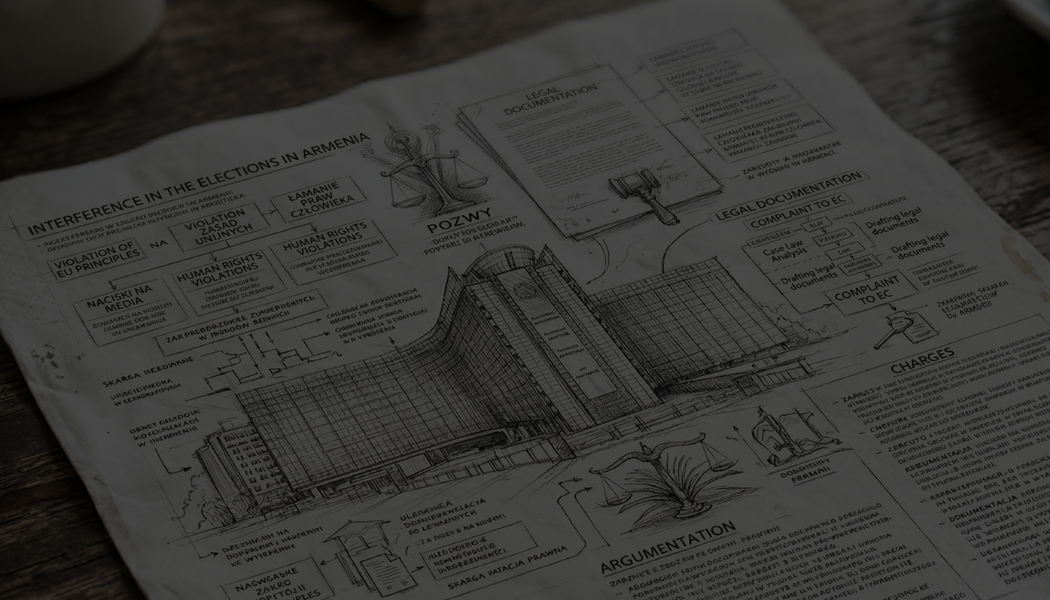
في الحالة الأرمينية، النقطة الأساسية ليست مجرد خلاف قانوني، بل تداخل بين السياسة والقانون والبيئة المعلوماتية. شركة Amsterdam & Partners، ممثلة بمحاميها Robert Amsterdam، أعلنت عن تقديم شكوى إلى المفوضية الأوروبية بخصوص نشر أداة HRRT (فريق الاستجابة السريعة للتهديدات الهجينة / Hybrid Rapid Response Team) قبل الانتخابات في أرمينيا. هذه الخطوة ترتبط سياسياً ببيئة مشروع “Strong Armenia” وشخصية Samvel Karapetyan، وهو رجل أعمال ذو خلفية مرتبطة بالسوق الروسية. هذا السياق يوضح أن التحرك القانوني هو جزء من صراع سياسي أوسع، وليس إجراءً منفصلاً. جوهر الشكوى يتمحور حول اتهام الاتحاد الأوروبي بأن نشر HRRT يشكل تدخلاً في العملية الانتخابية وانتهاكاً لمبادئ الحياد والمعايير الديمقراطية. يتم الاستناد إلى عناصر مثل التمويل الأوروبي وتحليل “السرديات” خلال فترة انتخابية، لتقديم الأداة كآلية تأثير سياسي. لكن الوقائع تشير إلى صورة مختلفة: HRRT هو فريق محدود زمنياً، يعمل بناءً على طلب، ويقدم دعماً تقنياً في مجالات مثل الأمن السيبراني وإدارة الأزمات، وليس نظاماً دائماً لمراقبة الحياة السياسية. ما تستغله الشكوى هنا هو حساسية الاتحاد الأوروبي العالية تجاه الشرعية القانونية والالتزام بالإجراءات. هذه “النقطة القوية” تتحول إلى نقطة ضغط، حيث يمكن تحويل أي نقاش تقني إلى مسألة قانونية وأخلاقية تتطلب تبريراً مستمراً. ما هي الآليات المستخدمة؟ أولاً، يتم رفع مستوى النزاع منذ البداية عبر لغة قانونية مثل “المسؤولية القانونية” و“تجاوز الصلاحيات”، ما ينقل النقاش من تقييم أداة إلى التشكيك في شرعيتها. ثانياً، يحدث قلب للمنطق الأمني. بدلاً من التركيز على التهديدات (مثل عمليات التأثير أو التضليل)، يتم تقديم الاستجابة لها كالمشكلة بحد ذاتها. الحماية تُعاد صياغتها كضغط سياسي. ثالثاً، يتم استخدام “التجميع الانتقائي”، حيث تُدمج عناصر منفصلة مثل التمويل، والسياق الانتخابي، وتحليل التهديدات في صورة واحدة توحي بتدخل سياسي واسع. رابعاً، يتم إدخال إطار “المعايير المزدوجة”، وهو عنصر سريع الانتشار في البيئات التي تتعامل بحذر مع النفوذ الخارجي. خامساً، يتم تصميم الرسالة بحيث تكون قابلة لإعادة الاستخدام الإعلامي، عبر عبارات يمكن اختصارها وتحويلها بسهولة إلى صيغ أكثر حدة. ما الذي يميز هذا النموذج؟ هذا النموذج لا يعتمد على الكذب المباشر، بل على إعادة ترتيب الوقائع واستغلال نقاط حساسة في النظام المستهدف. في هذه الحالة، يتم استخدام التزام الاتحاد الأوروبي بالقانون والشرعية كأداة ضغط عليه. الهدف النهائي ليس حسم نزاع قانوني، بل فرض إطار تفسيري. وإذا تم تثبيت هذا الإطار، فإن أي معلومات لاحقة ستُقرأ ضمنه، بغض النظر عن دقتها.
حماية
كيف يتم استخدام القانون كأداة تأثير؟ حالة أرمينيا